2 Week Patagonia Itinerary: The Best of Argentina
Traveling to Patagonia has been one of my favorite trips of all time. The scenery is absolutely gorgeous, and we got to do some epic hikes, walk with penguins, see a massive glacier, and explore some of the cutest mountain towns.
If you’ve been considering traveling to Argentina’s Patagonia, this blog is for you! I’m sharing our two-week Patagonia itinerary, how long I recommend staying in each destination, our favorite activities, how we got around, what we spent, and some tips I learned along the way.
Our Two-Week Patagonia Itinerary
Buenos Aires – 3 nights
Bariloche – 3 nights
El Calafate – 2 nights
El Chaltén – 3 nights
Ushuaia – 3 nights
Buenos Aires – 1 night
Since we started our trip in Buenos Aires, I decided to just work our way south from there, starting in Bariloche and ending in Ushuaia. We stayed one more night in Buenos Aires at the end of the trip so we could catch our flight home the following day.
How Long Should You Spend in Patagonia?
Our total stay in Argentina was 15 nights, including Buenos Aires, so we had 11 nights actually in Patagonia. Honestly, I would recommend at least 11 nights if you want to visit all four of these destinations without feeling like you're constantly rushing.
Here’s how I would divide your time:
Bariloche: 3–4 nights
El Calafate: 2 nights
El Chaltén: 3 nights
Ushuaia: 3–4 nights
Two weeks is definitely enough time to see the highlights of Patagonia while still having some time to relax. If you have more than two weeks, I would use the extra time to add additional hiking days or explore some of the other areas of Patagonia rather than trying to squeeze even more destinations into your itinerary.
Bariloche: 3 Nights
2 full days
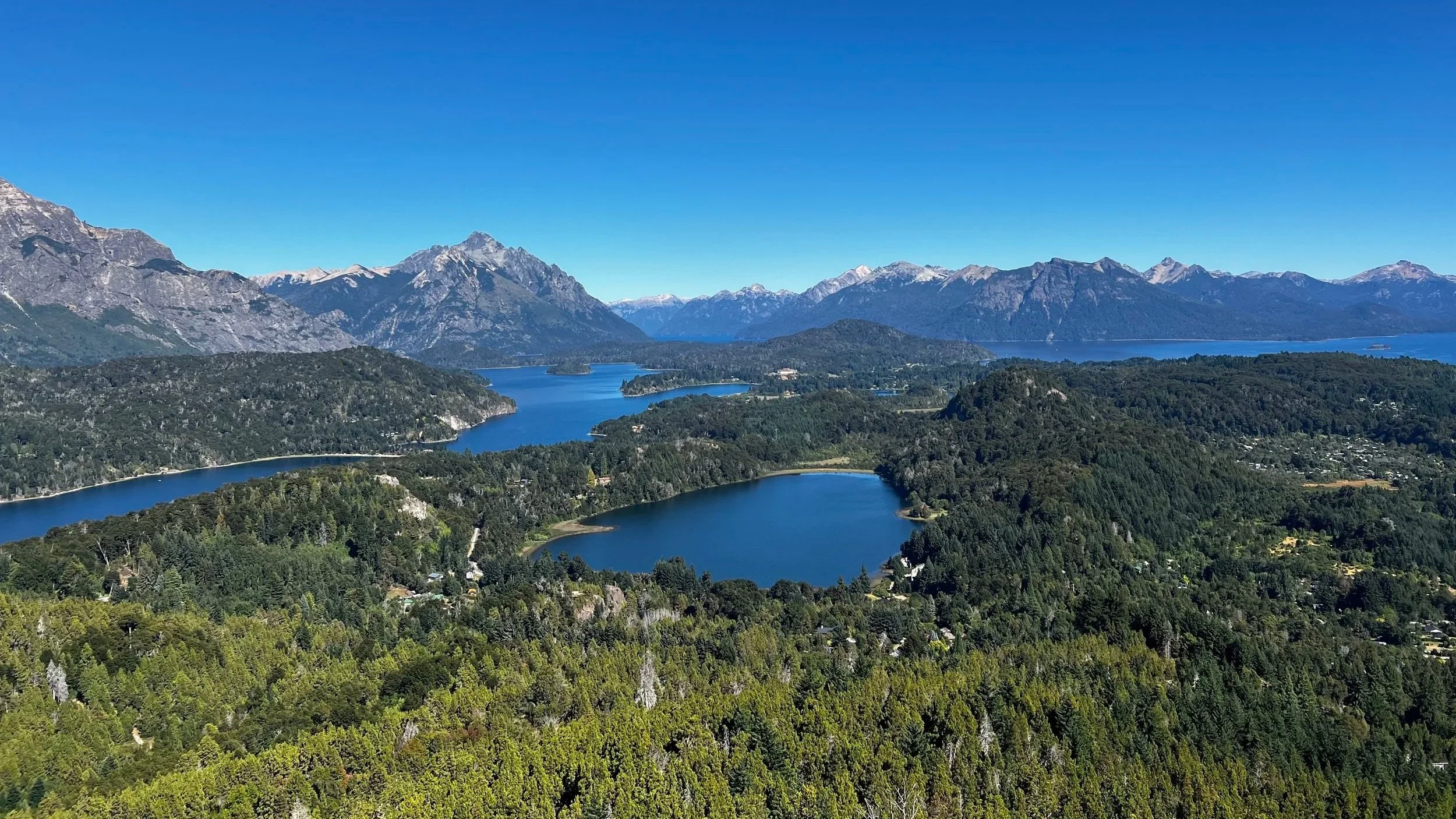
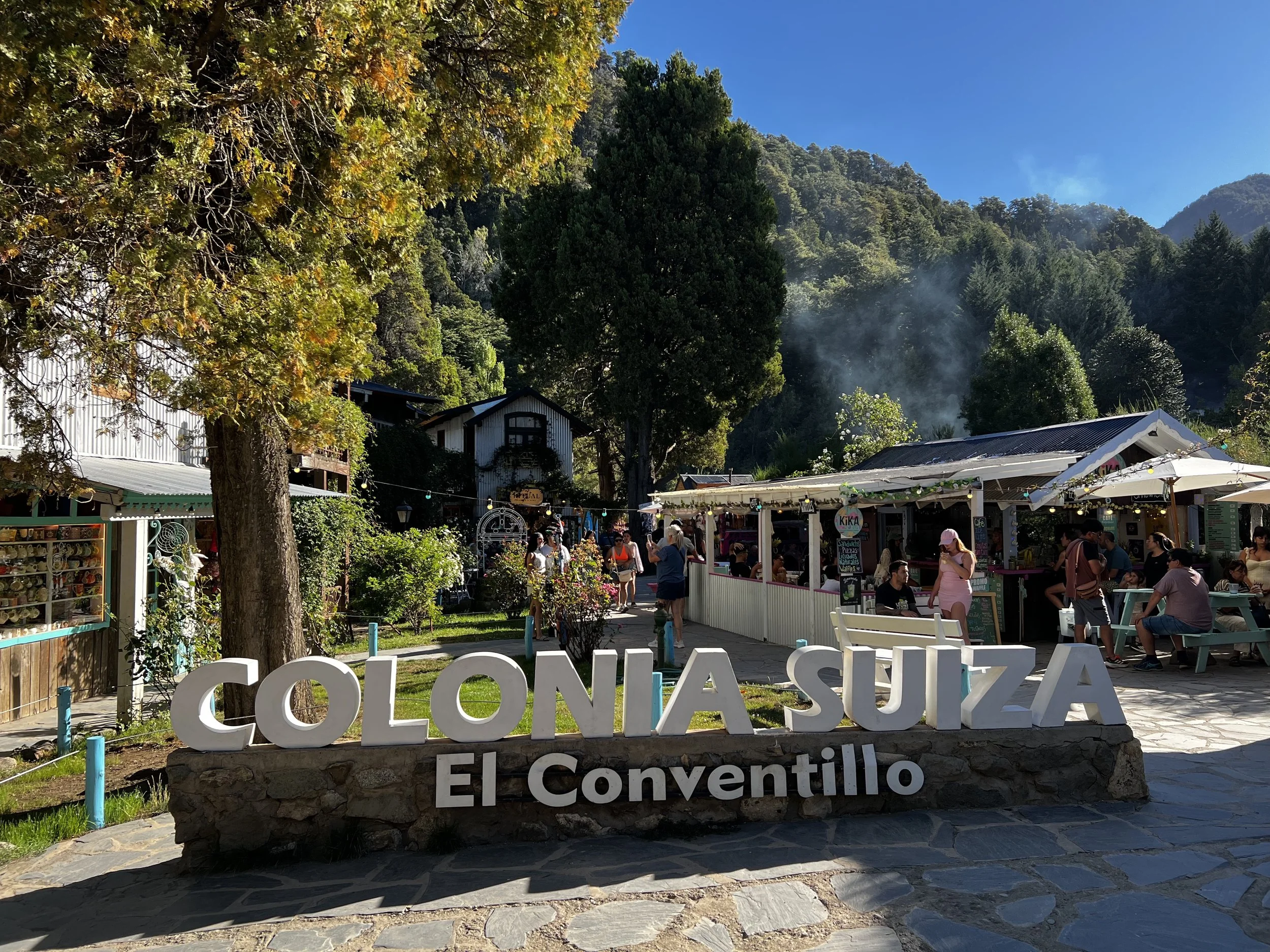
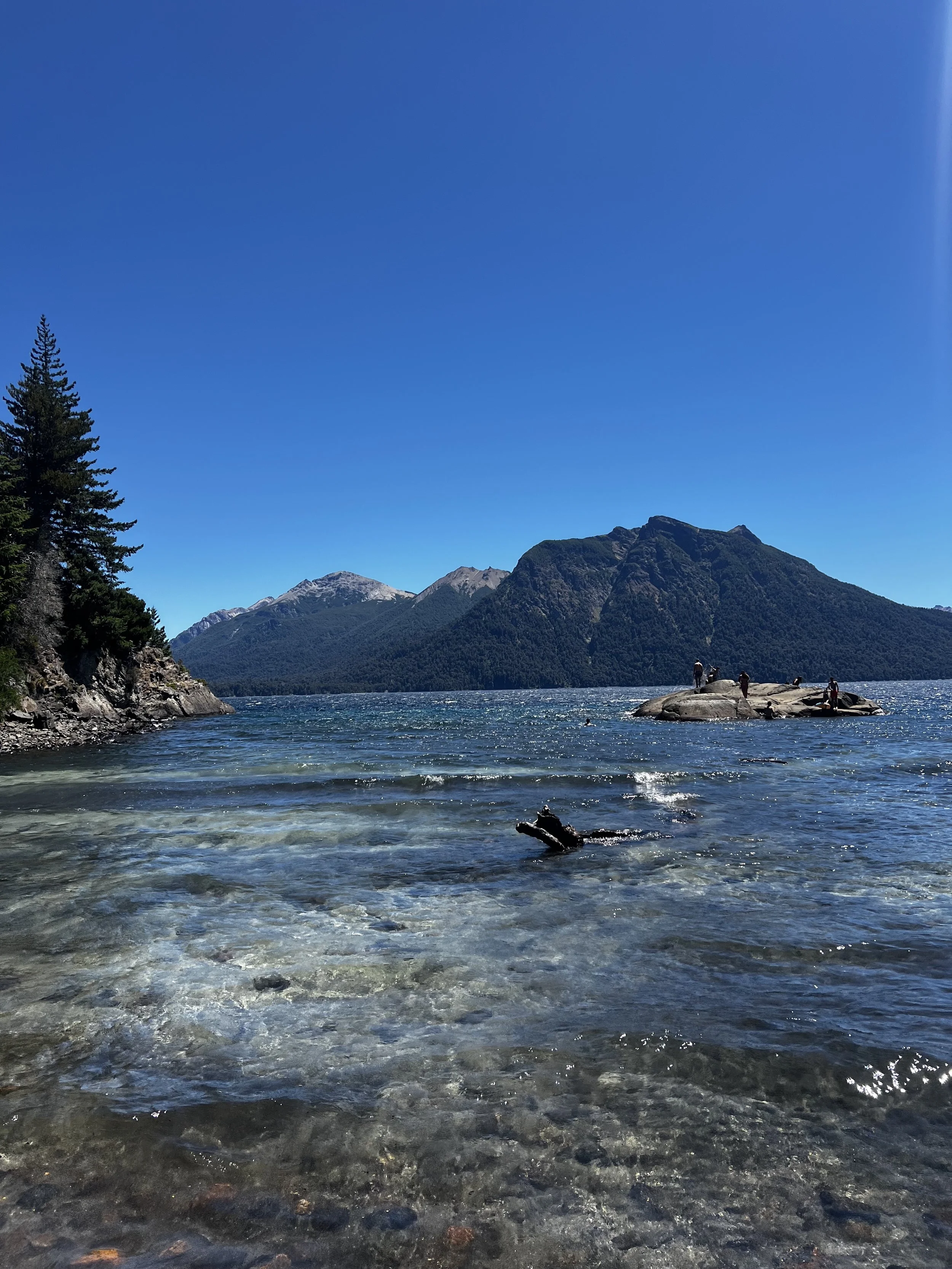
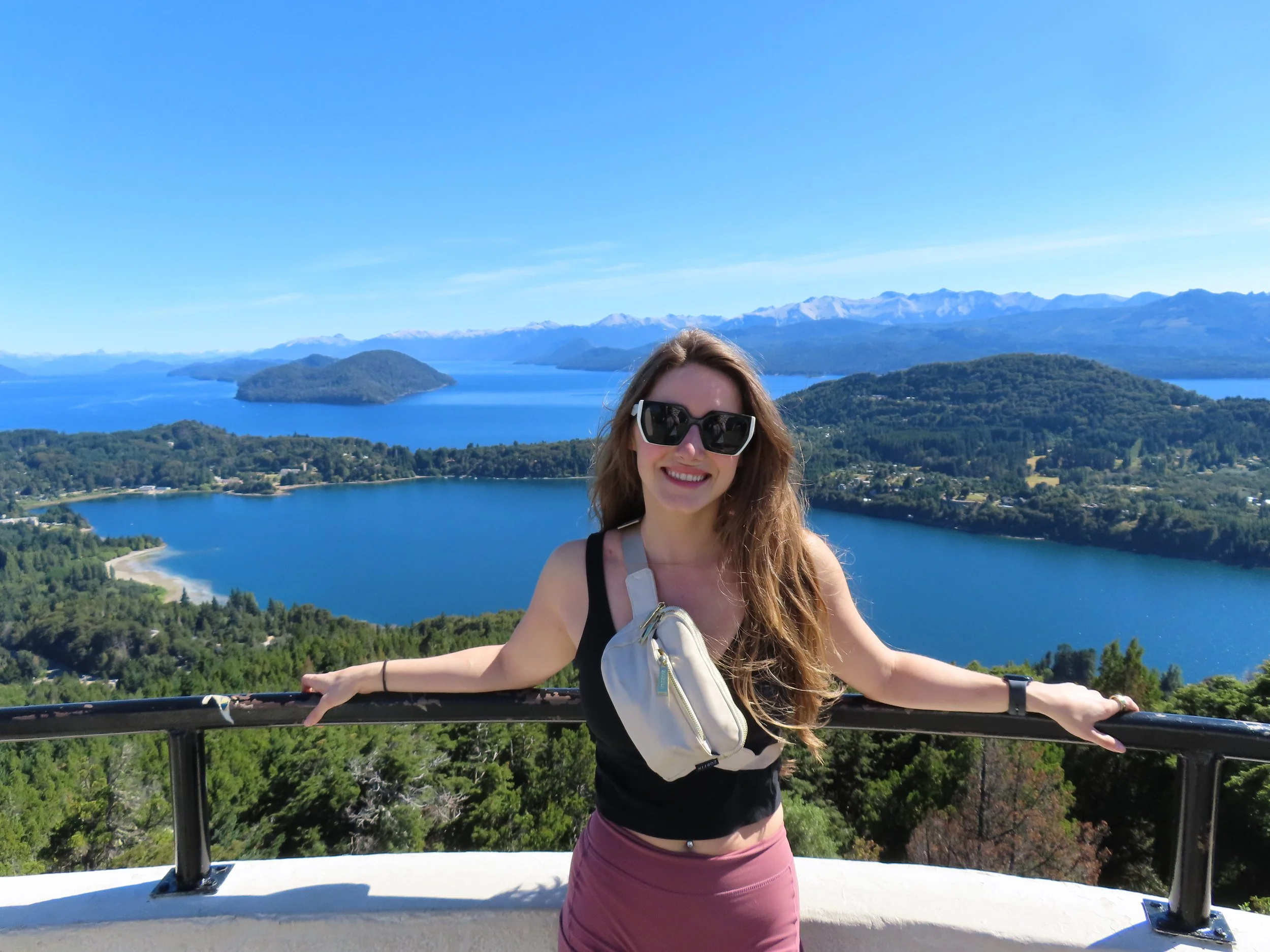
Bariloche is known for its mountains, lakes, and Swiss-inspired architecture. After Buenos Aires, we started our trip in the northern part of Patagonia because it made the most sense logistically.
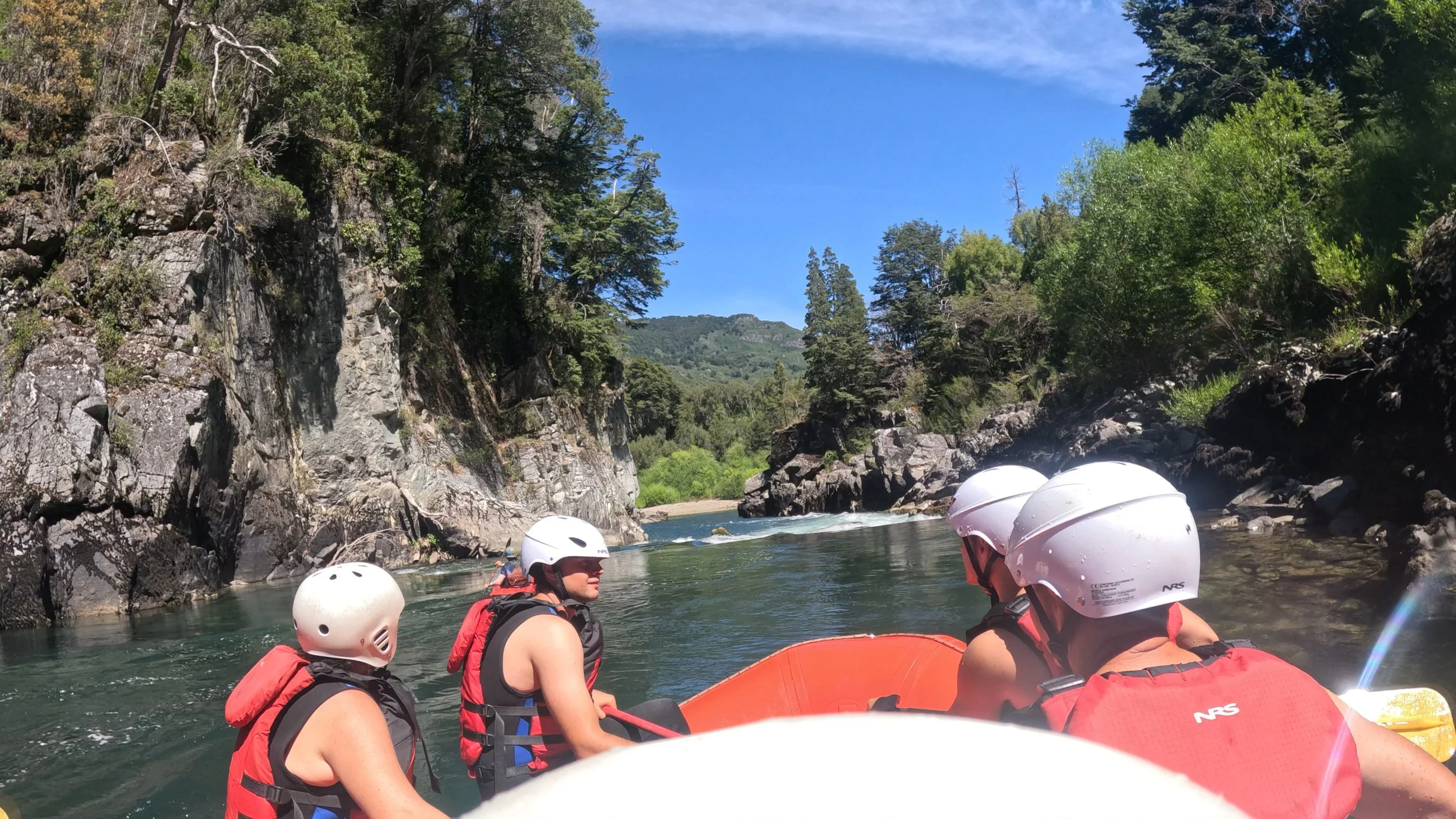
Of everything we did in Bariloche, our favorite activity was whitewater rafting to the Chilean border. It was such a fun half-day adventure, wasn't too challenging, and we had amazing mountain views the entire ride.
Top Things to Do in Bariloche
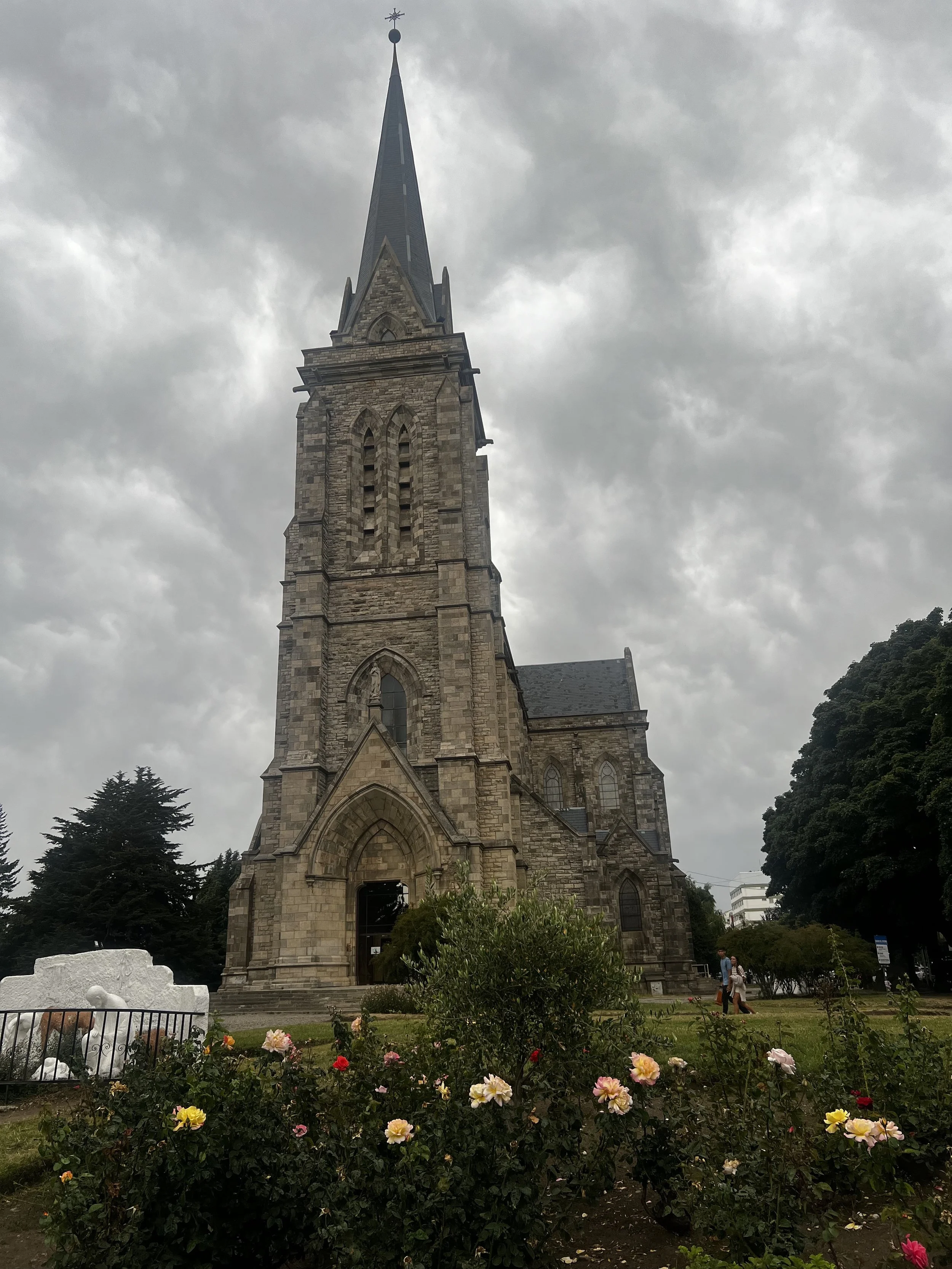
Explore the Swiss-inspired town: Spend a few hours walking around town, check out the church, and definitely get some chocolates!
Circuito Chico Loop: You can do this in half a day if you mainly drive and stop at the viewpoints, or spend a full day exploring the different hikes, beaches, and little villages along the way. Check out my blog on our full-day Circuito Chico Loop if you want to see exactly how we spent the day.
Cerro Campanario: This is technically part of the Circuito Chico Loop, but it deserves its own spot on the list because the views from the top are some of the best. You get 360-degree views of the surrounding mountains and lakes. You can either take the short but steep hike up or take the chairlift.
Do a water activity: We loved whitewater rafting, but if you want something a little calmer, kayaking would be a great option.
Bariloche Tips
I would definitely recommend renting a car in Bariloche. You'll want the freedom to explore the surrounding lakes and mountains, especially if you're planning to drive the Circuito Chico Loop.
If you have even more time, you can also add the Seven Lakes Route, which is supposed to have some incredible viewpoints.
I recommend spending at least 3 nights here. An extra day would have given us more time to explore the lakes and possibly go horseback riding. There is a lot to do around Bariloche, and I think you need at least two full days to really experience it.
El Calafate: 2 Nights
We flew down to El Calafate in the morning, picked up our rental car at the airport, and spent the rest of the day walking around this adorable little town.
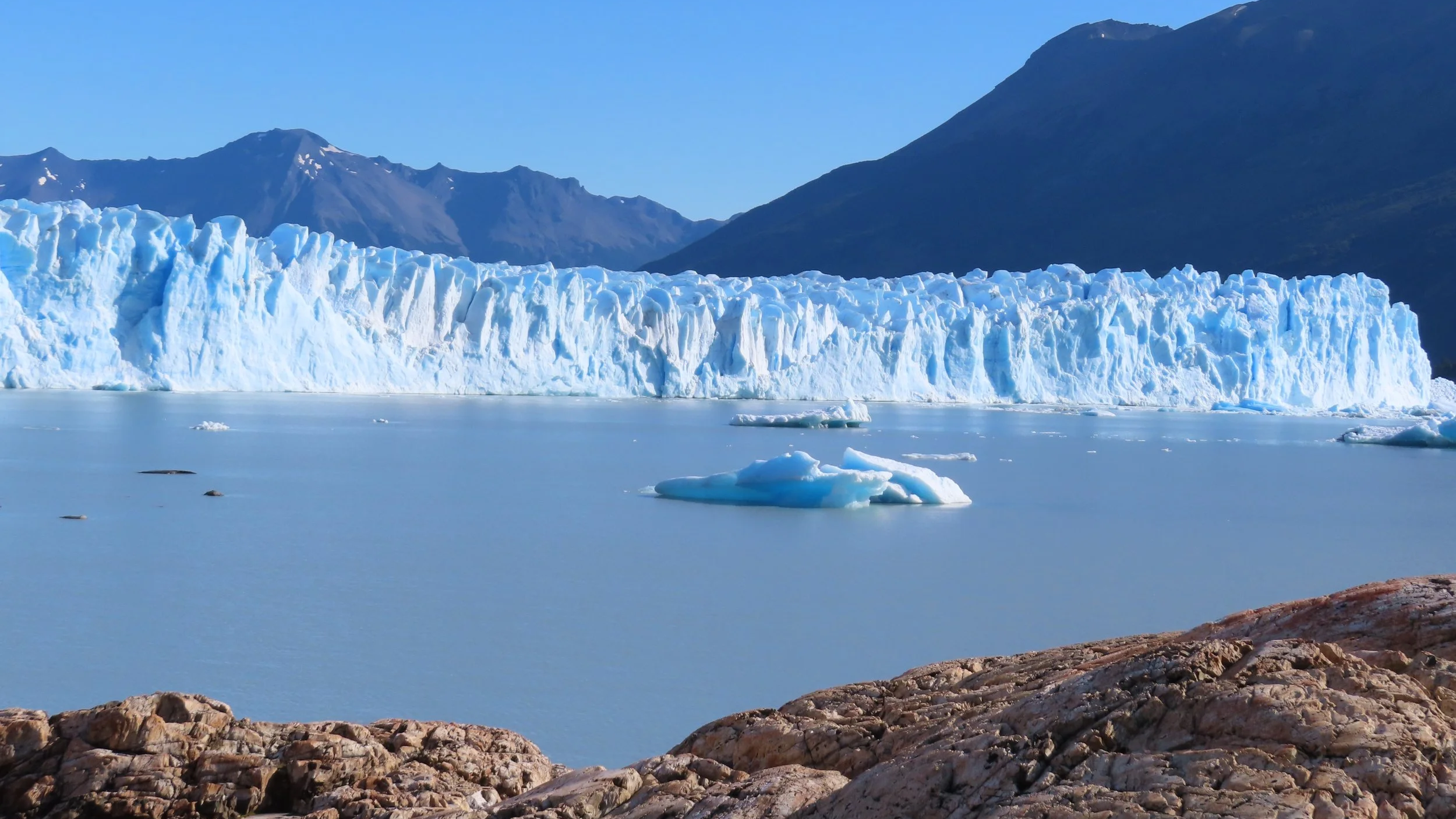
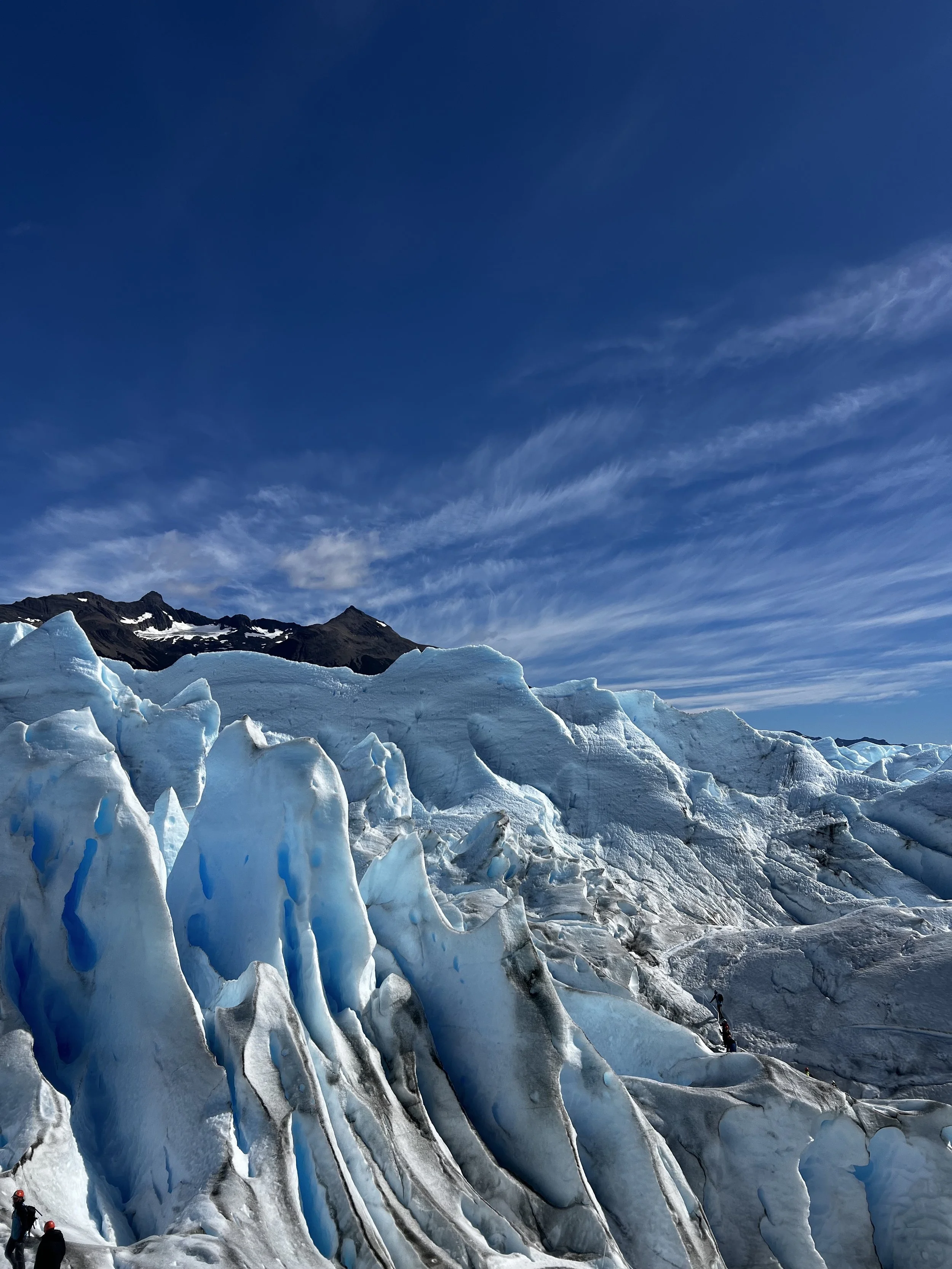
El Calafate is where most people stay when visiting Perito Moreno Glacier, which is the main attraction here. The glacier is about an hour's drive from town.
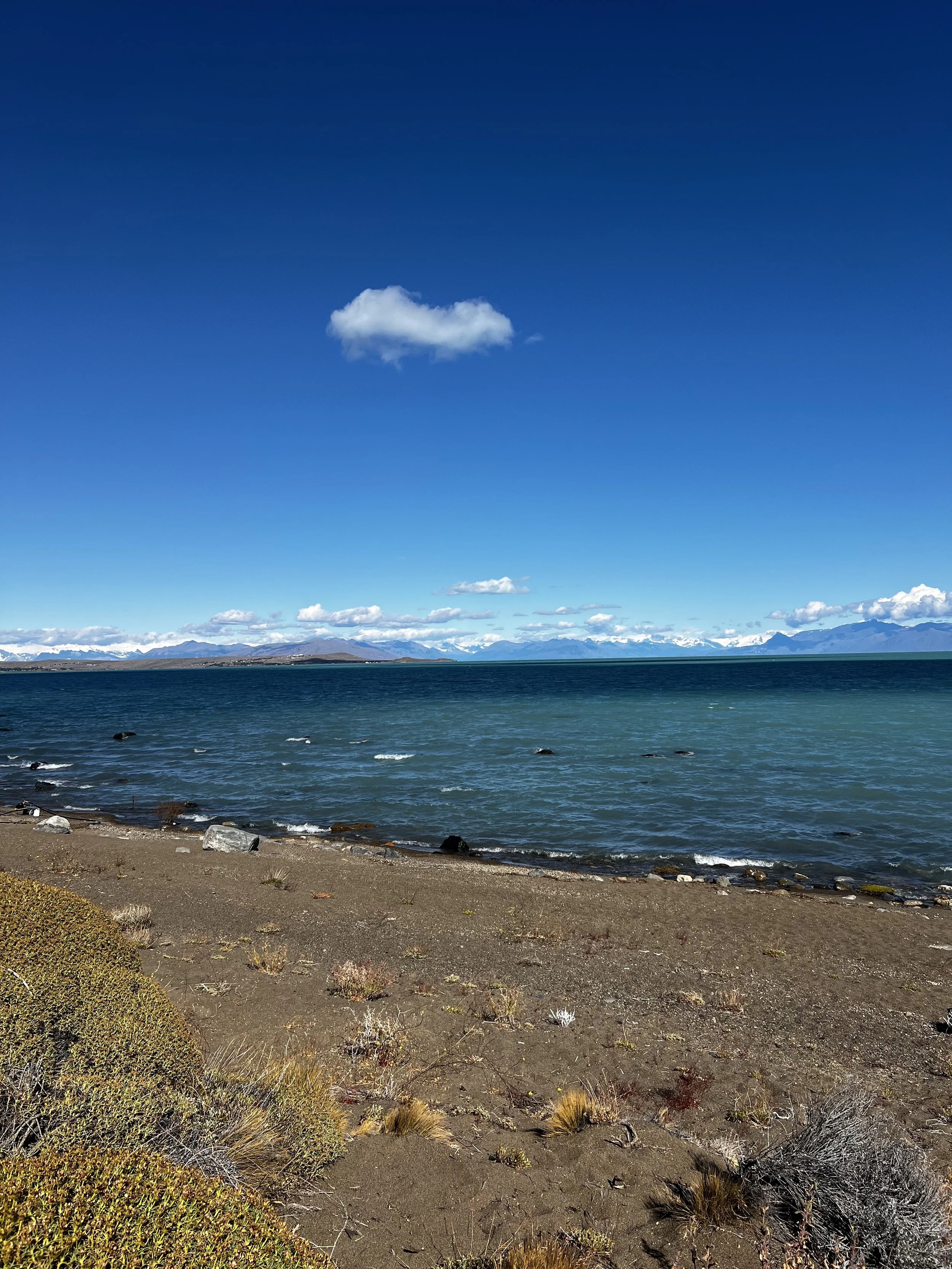
I really liked the vibe of El Calafate. It had an upscale hippie feel with lots of local artist shops, restaurants, cafes, and little activities to do, including an ice bar.
Top Things to Do in El Calafate
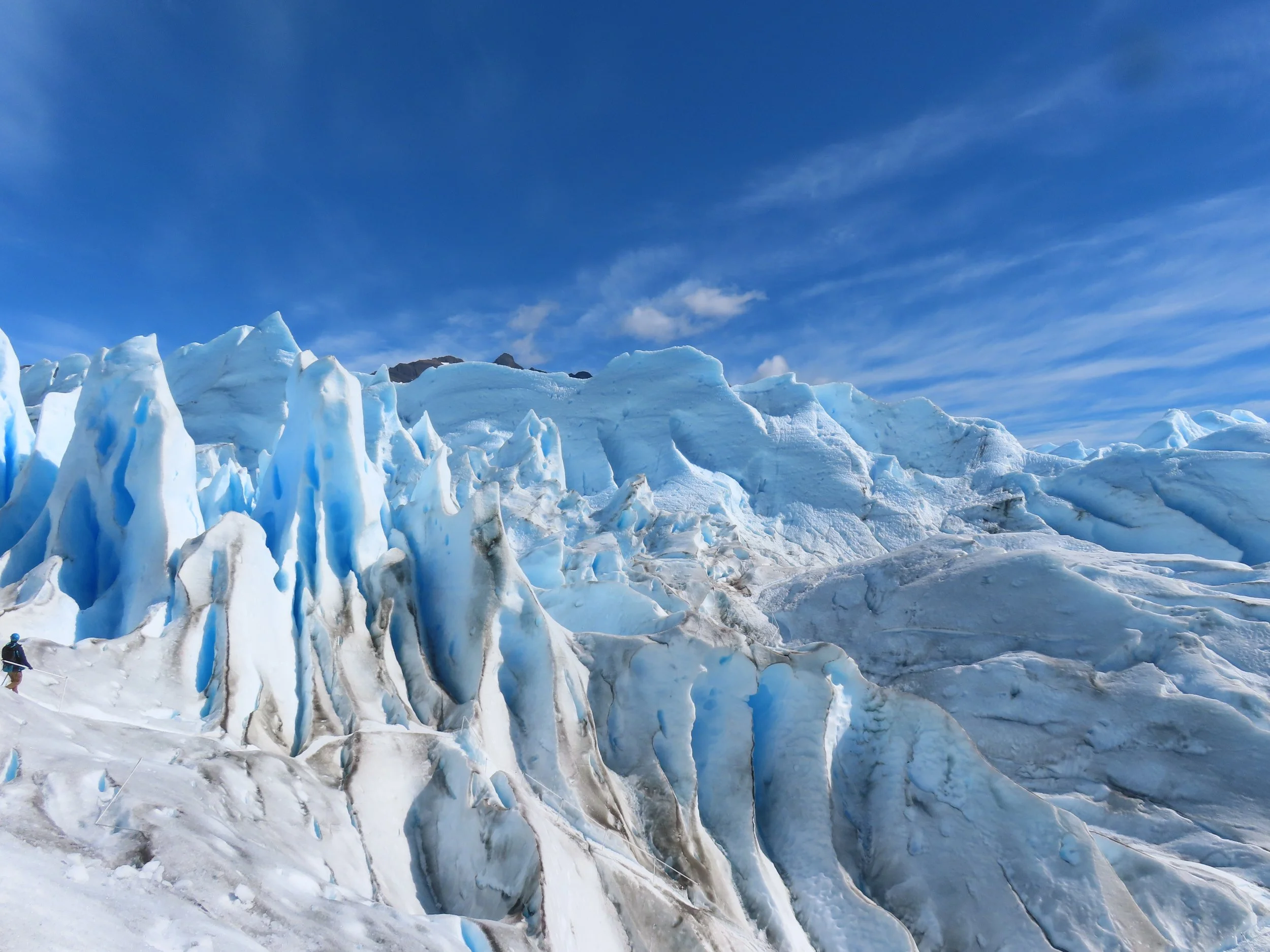
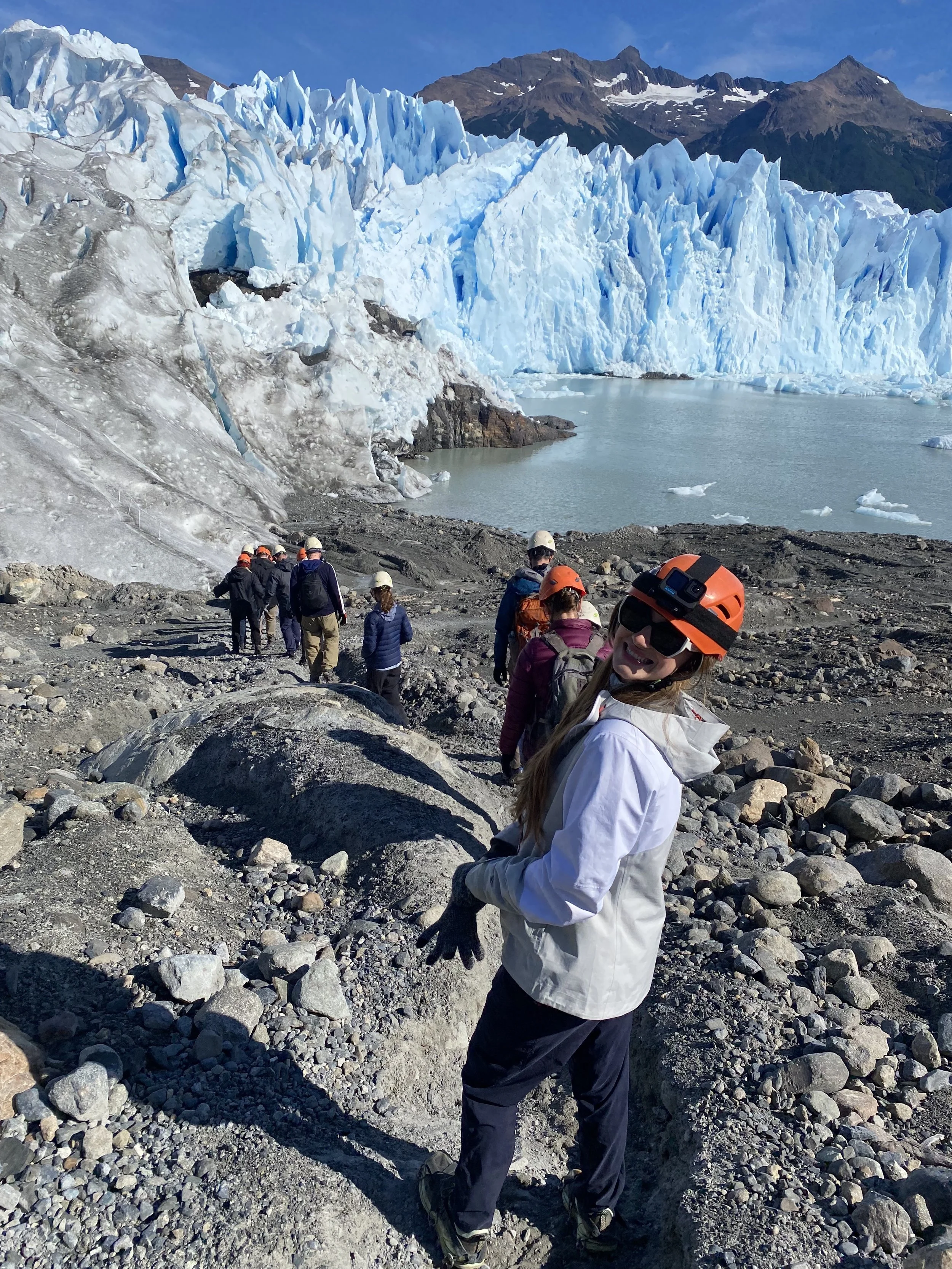
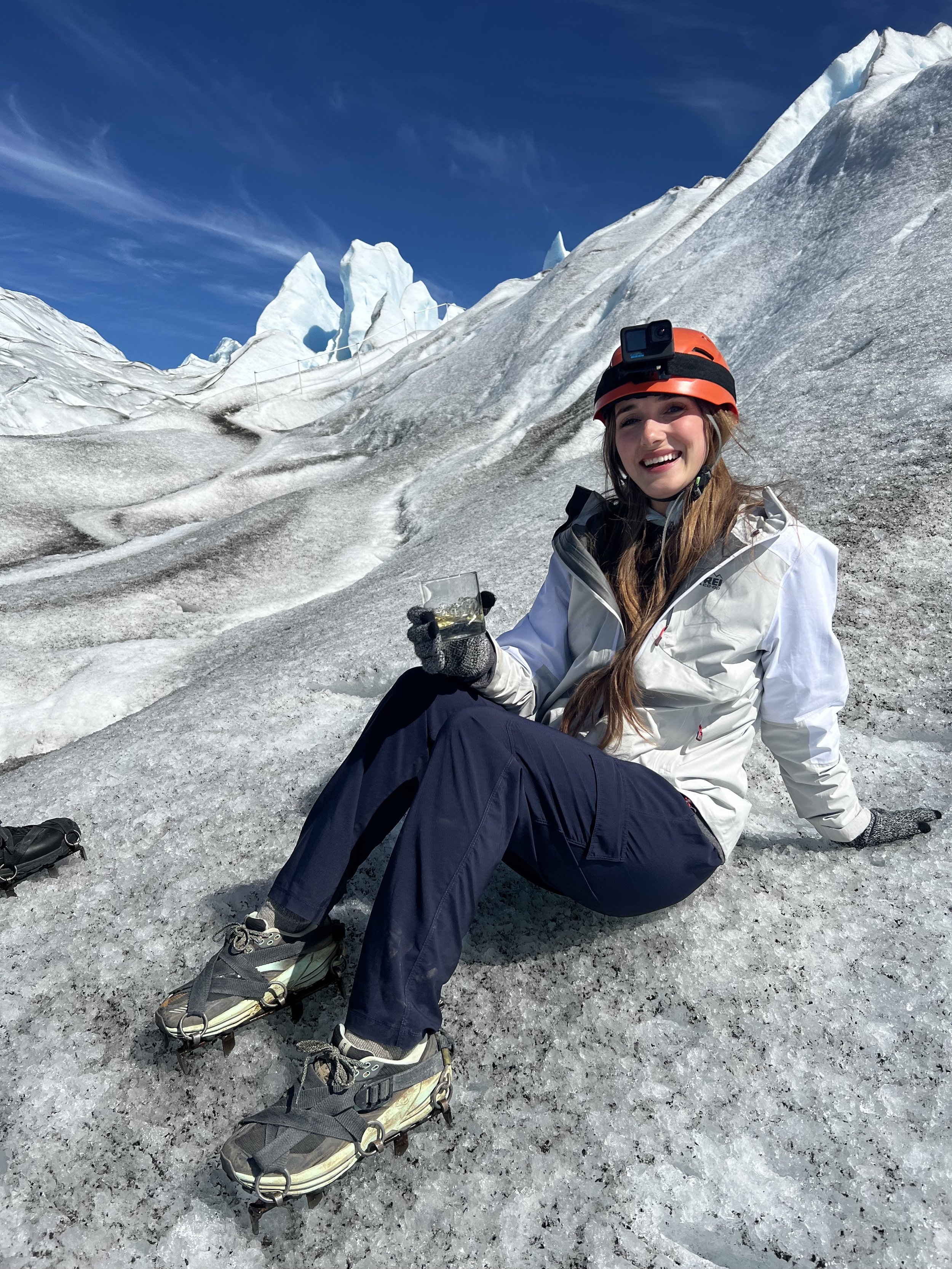
Perito Moreno Glacier: This is definitely the main attraction. You can take a boat tour to get up close to the glacier while still maintaining a safe distance, or you can go ice trekking like we did. I HIGHLY recommend the ice trekking! It was our favorite activity of the entire Patagonia trip, and we spent our full day doing it. Check out the blog here.
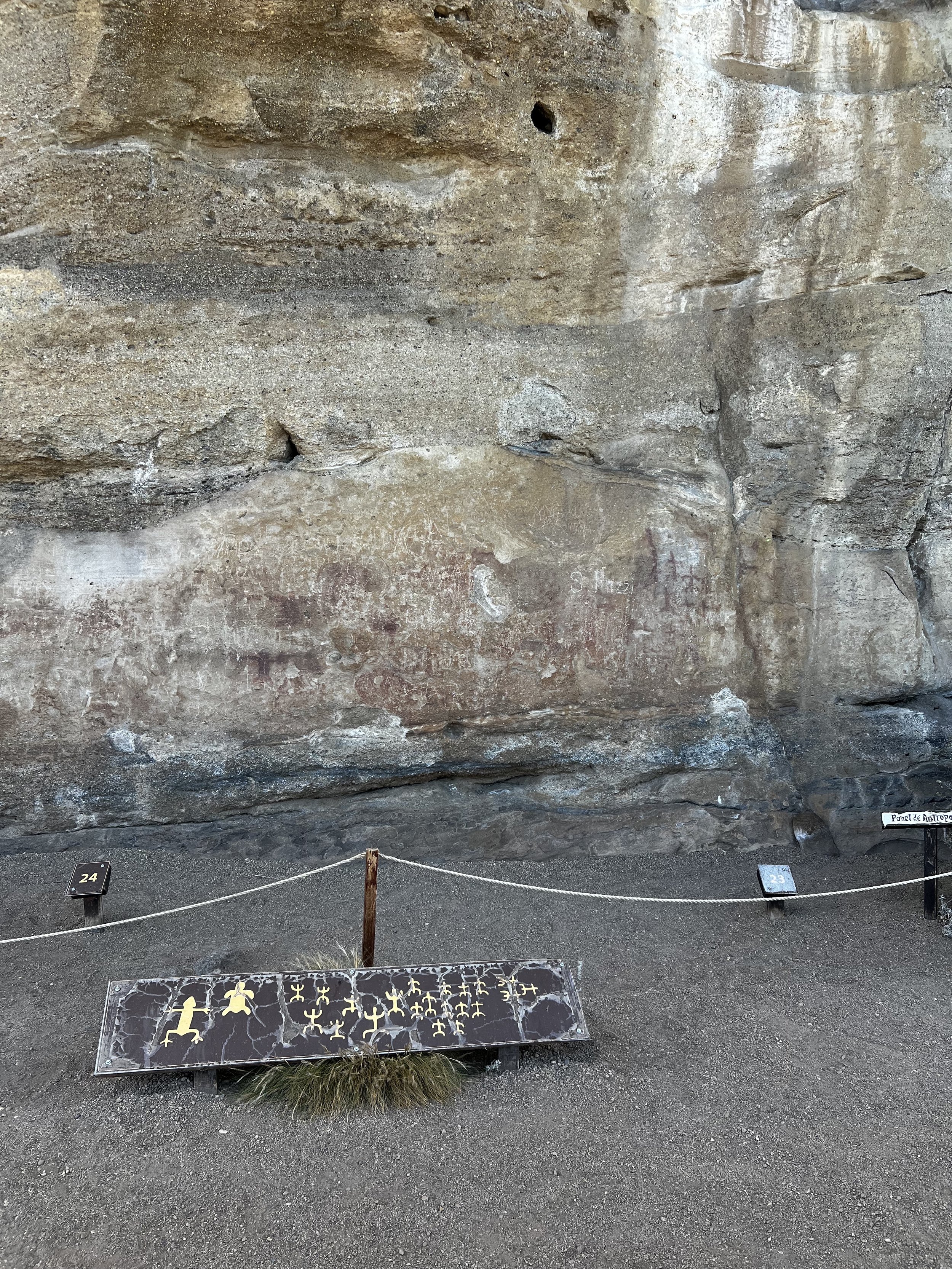
Punta Walichu: If you have an extra hour or so, I recommend visiting Punta Walichu just outside of town. This historic site features cave paintings that are thousands of years old. It's really cool to see and learn about the history, and it wasn't crowded when we visited.
Walk Around Town: The main strip is fun to walk around, and you can stop for chocolates, hot chocolate, or check out some of the local artist shops. There are some really beautiful pieces.
El Calafate Tips
You don't necessarily need to rent a car here. The town itself is very walkable, and if you're only visiting Perito Moreno Glacier, most tour companies offer pickup and drop-off.
We rented a car because we were heading to El Chaltén afterward, which is about a two-hour drive. If El Chaltén is your next destination, I would recommend renting a car so you can make the drive yourself.
Accommodations in El Chaltén can be expensive, so if it's outside your budget, you could technically stay in El Calafate and drive to El Chaltén for your hikes. Some people do this, but I will warn you that you're going to lose a lot of time driving, and you'll be getting much less sleep. In my opinion, staying in El Chaltén is worth the extra money.
I also wouldn't overpack your itinerary here. We tried adding a stargazing tour the night before our ice trek, and I wish we hadn't. We got unlucky with the weather and didn't get much sleep before our big day.
Check out my full El Calafate blog here including top things to do, how long to stay, and how to get around in detail.
El Chaltén: 3 Nights
2 full days
We drove about two hours from El Calafate to El Chaltén.
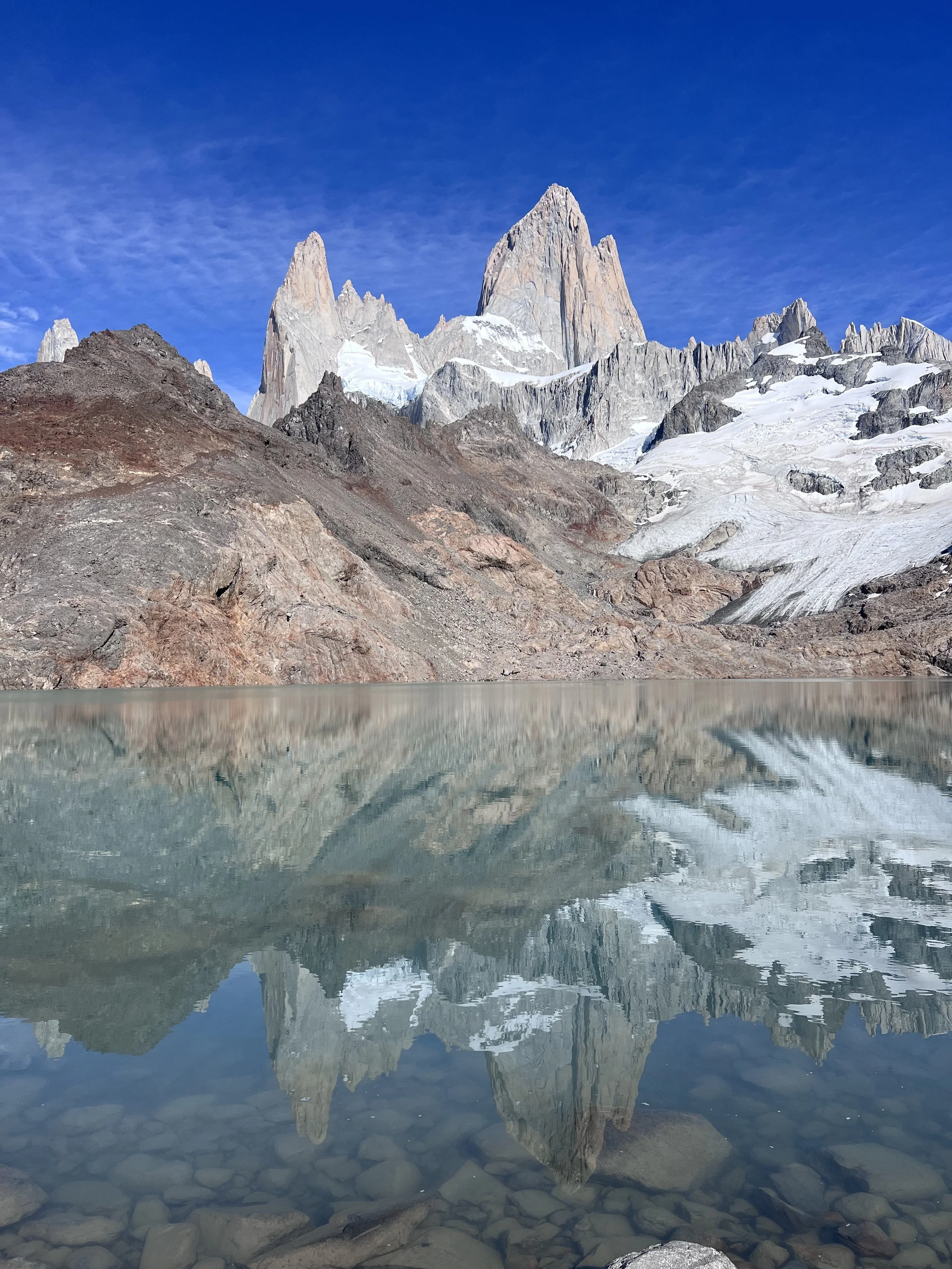
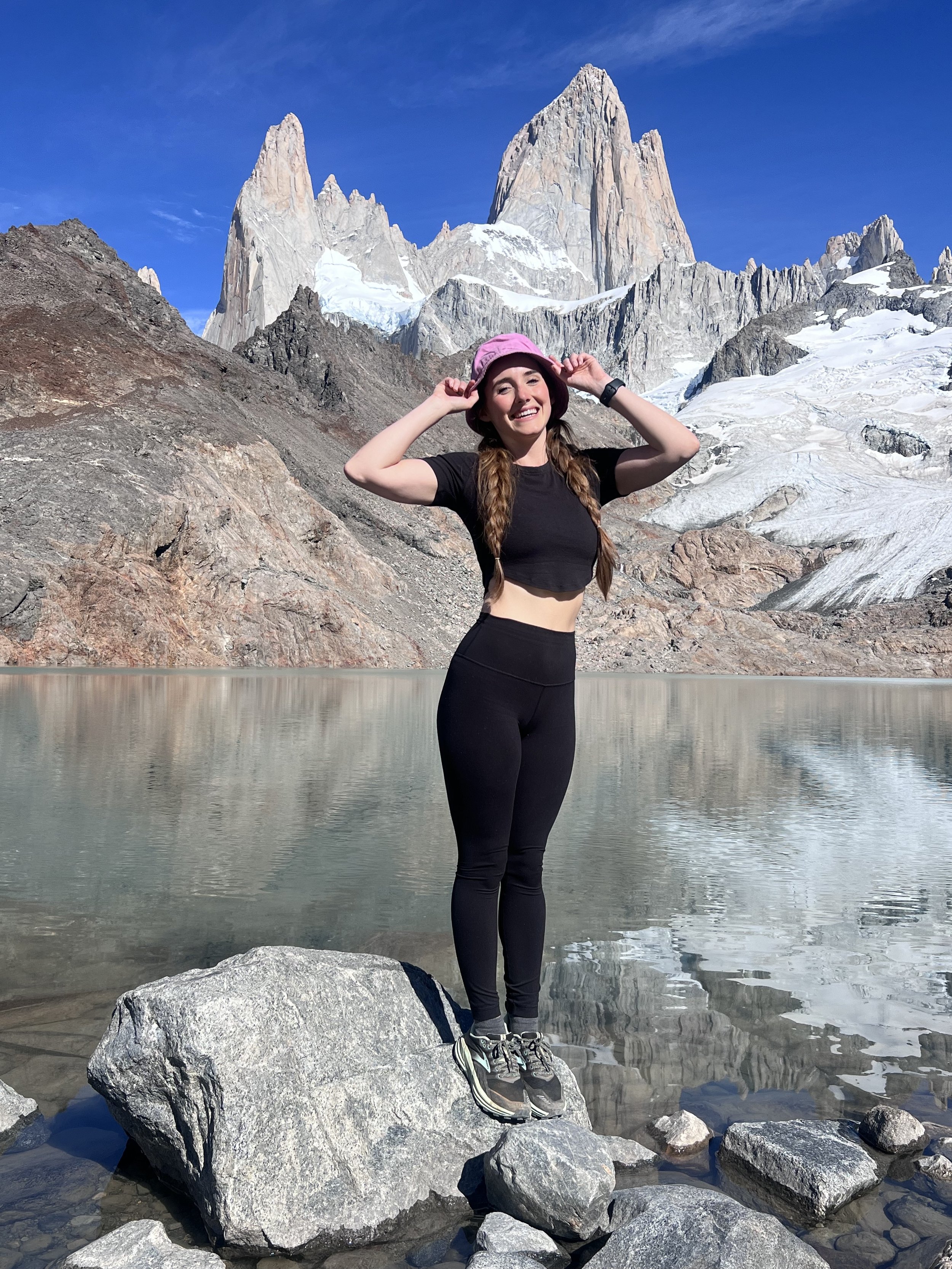
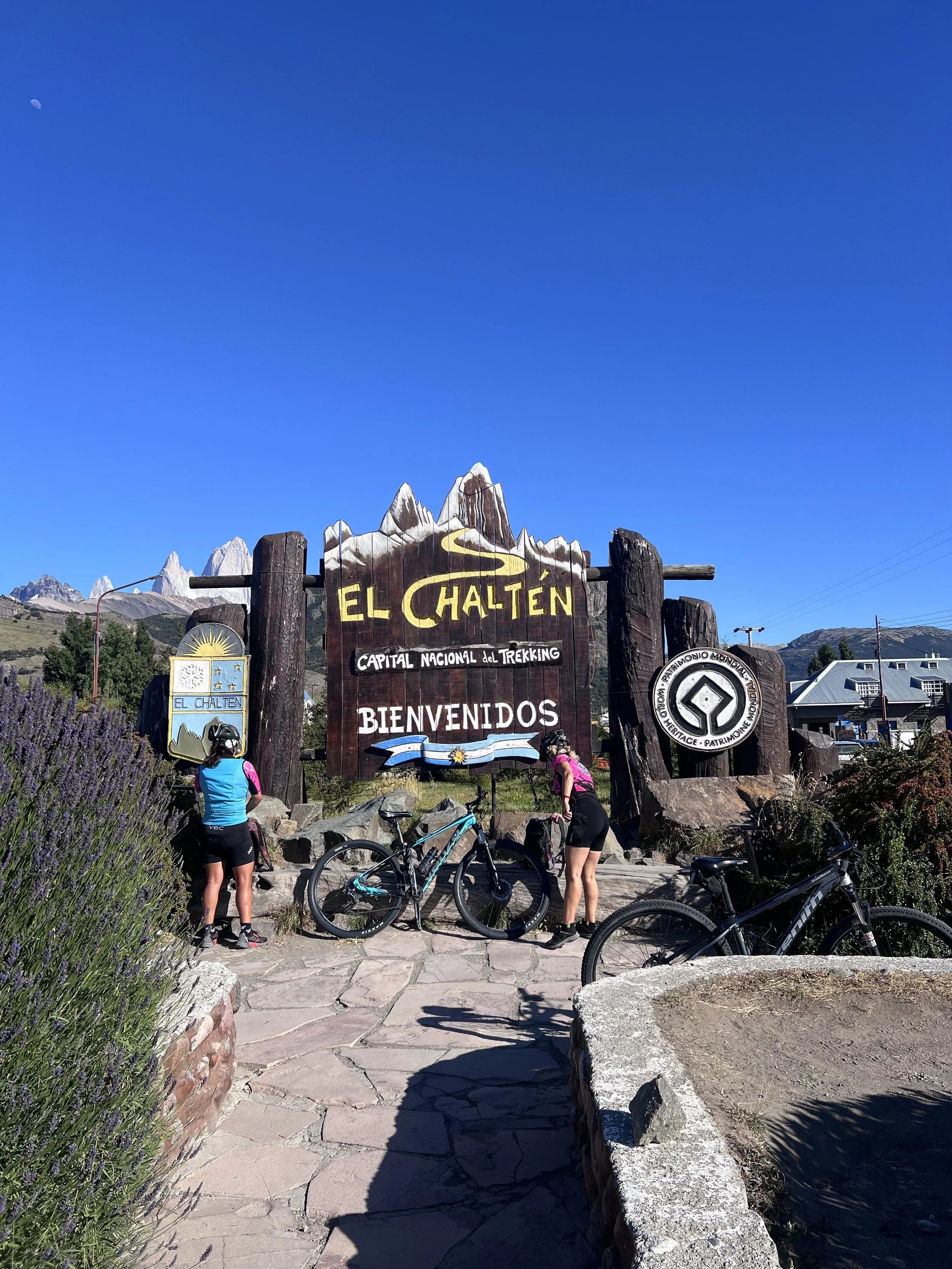
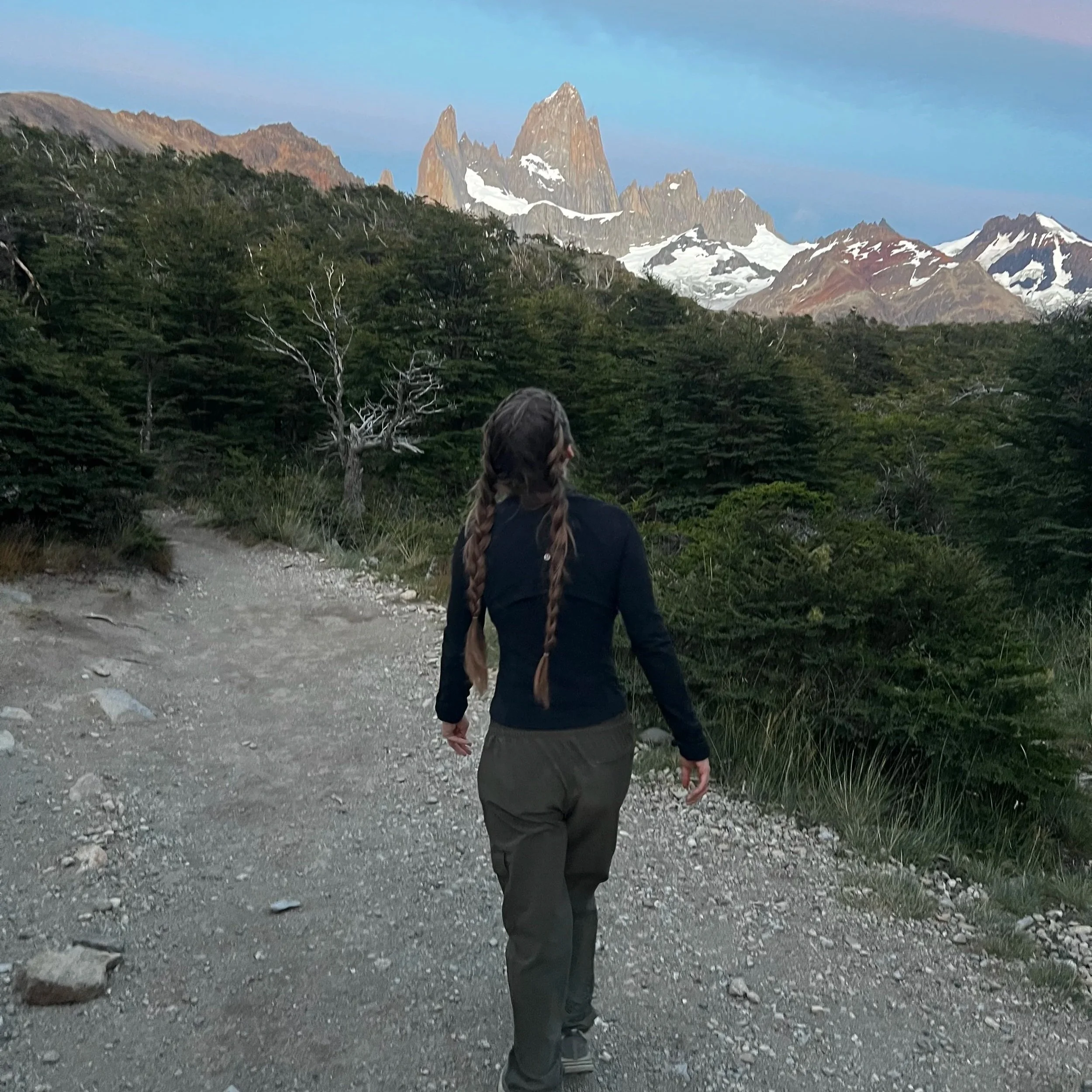
El Chaltén is known for the iconic Laguna de los Tres hike, which takes you to the Mount Fitz Roy viewpoint. Essentially, this is probably the most popular hiking destination in Argentine Patagonia.
We budgeted three nights here to give ourselves some extra flexibility, and I'm really glad we did. The day we originally planned to do our big hike was pretty cloudy, but the forecast showed sunshine for the following day. Because we had an extra day, we were able to wait and our last full day ended up being absolutely beautiful.
Within our two full days, we were able to do the big hike, part of the Mirador de los Cóndores hike, visit Chorillo del Salto Waterfall, and explore the adorable little mountain town. Check out my blog on El Chaltén itinerary here.
Top Things to Do in El Chaltén
Laguna de los Tres: This approximately 15-mile round-trip hike takes you to stunning views of Mount Fitz Roy and beautiful glacier-fed lakes. I highly recommend this hike. It's the main reason most people visit El Chaltén, and it was honestly the highlight of our entire Patagonia trip.
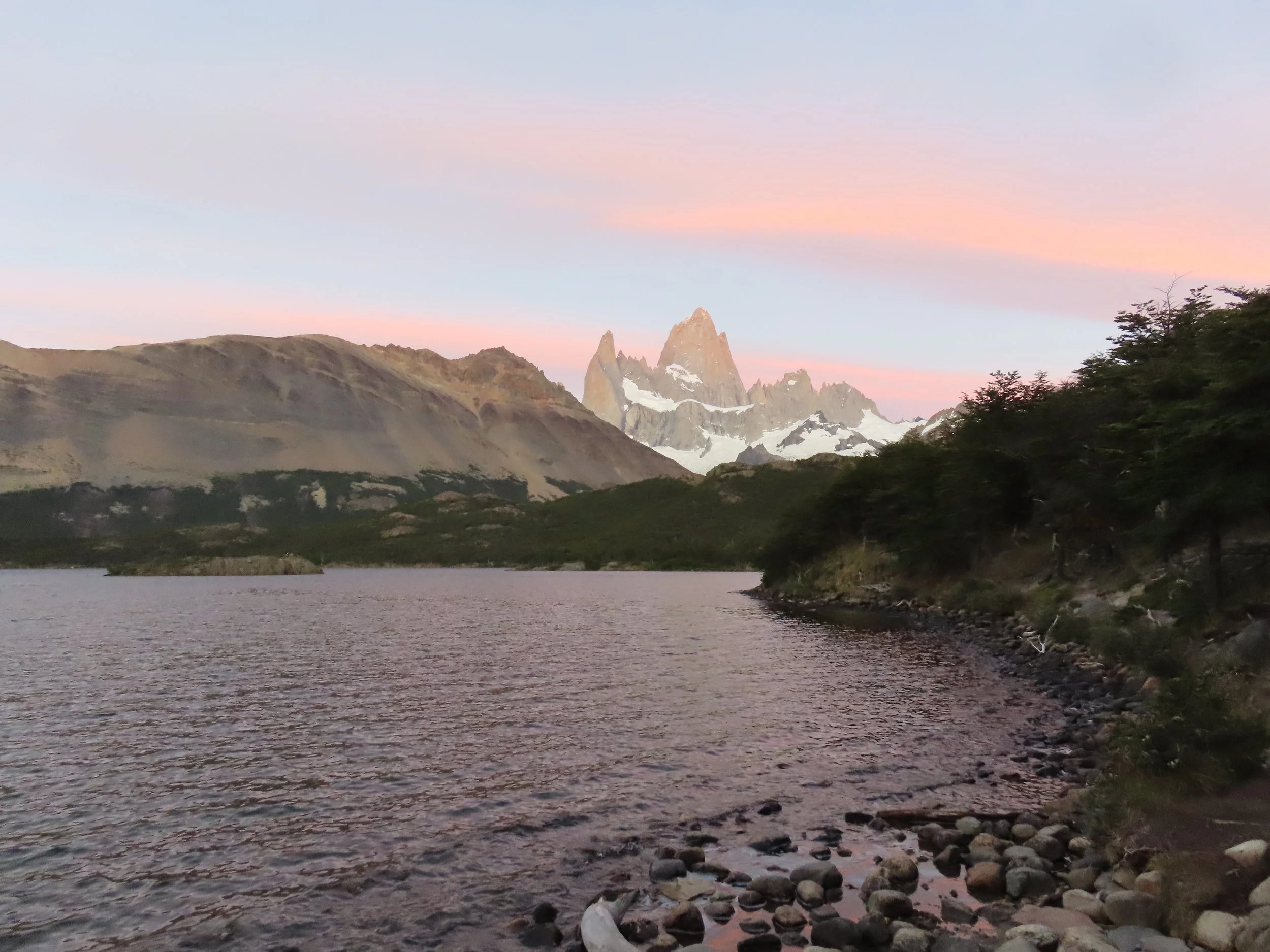
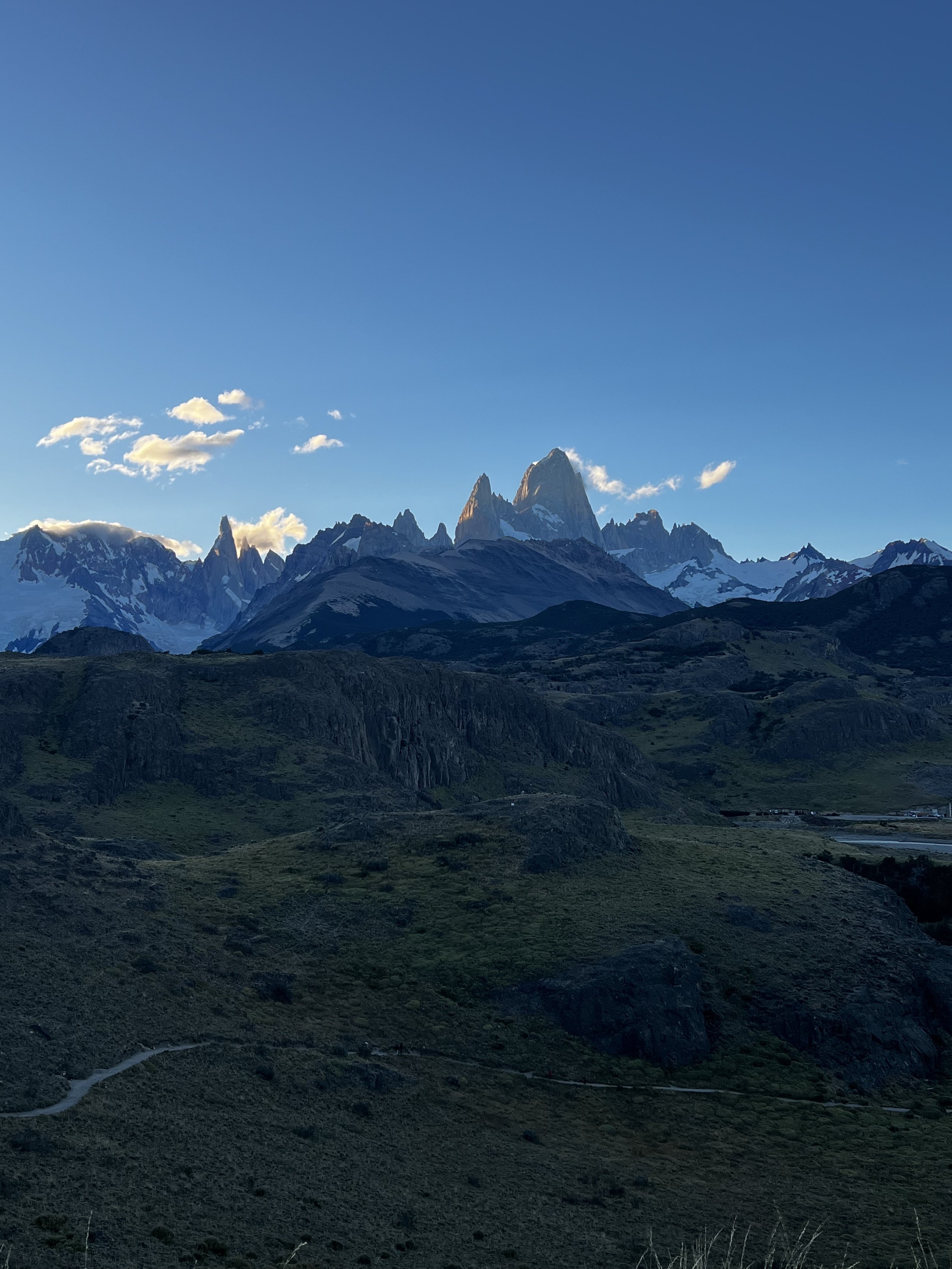
Mirador de los Cóndores: This is a lovely hike for sunset. We only did part of it because we arrived a little late and didn't want to miss sunset. The full hike takes around 1–2 hours, and the first part is steep but short.
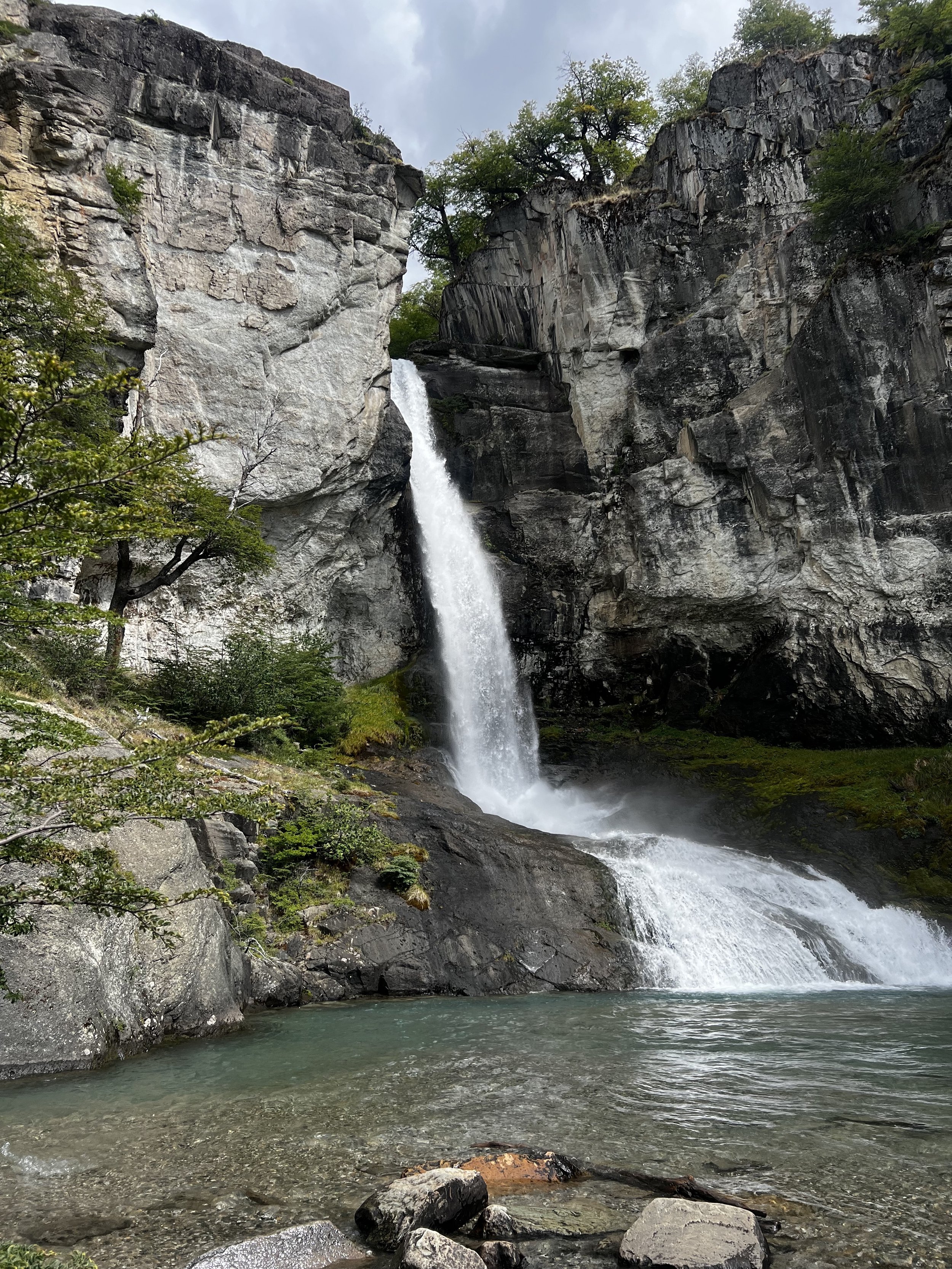
Chorillo del Salto Waterfall: This is a very short walk after parking, and you'll be greeted by a beautiful, powerful waterfall. It doesn't take long to check out, making it an easy addition to your day.
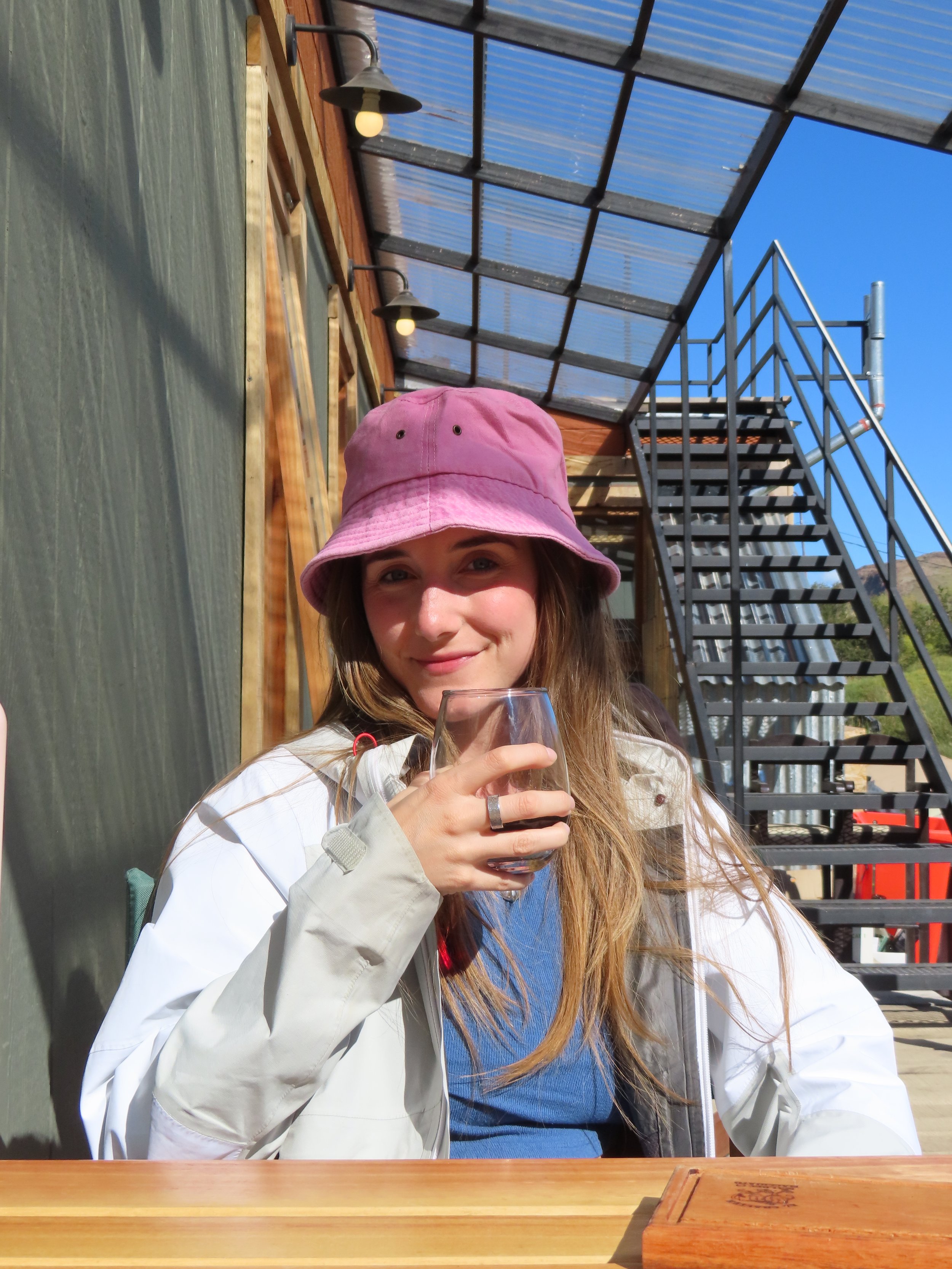
Explore the Town: The mountain town is adorable. I'd recommend grabbing some pizza and beer or stopping by Malbec and Macchiato for great wine and coffee.
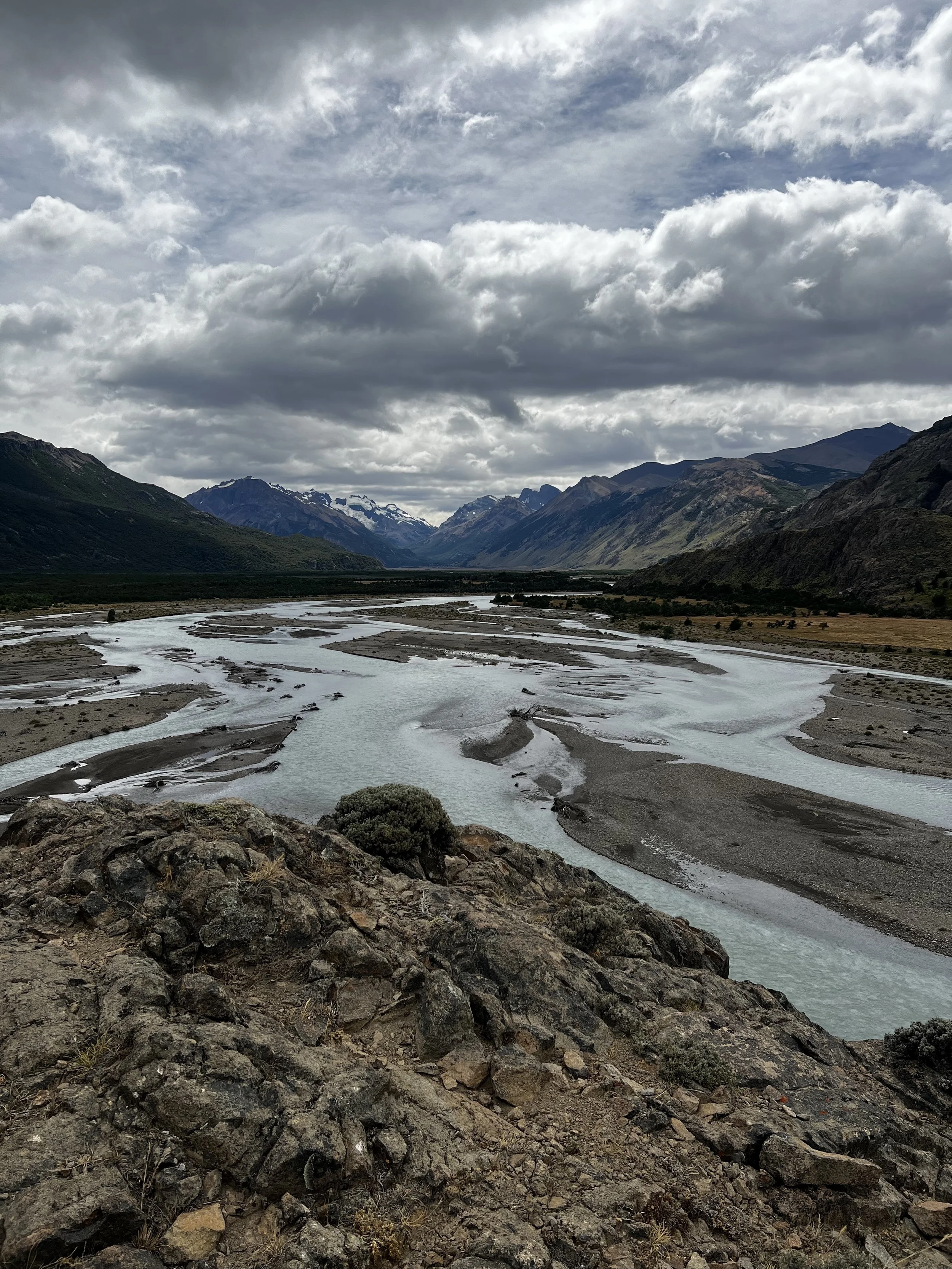
Relax by the River: We didn't actually spend much time down by the river, but we got some great views of Río de las Vueltas while hiking after visiting the waterfall. If you've already completed all the hikes you want to do, this could be a great way to spend a few relaxing hours.
El Chaltén Tips
You don't necessarily need a car here. The town is very small, and many of the hikes and restaurants are walkable depending on where you're staying. The only downside is that walking to the trailhead adds extra distance to an already long hiking day.
We did prefer having a car, but it's definitely something you can skip if you're trying to save money. We also saw a lot of people hitchhiking around Patagonia.
Give yourself extra time for the weather. If you can add an extra night here, I highly recommend it. The day we originally planned to do Laguna de los Tres was cloudy, so we waited another day and ended up having constant views of Mount Fitz Roy throughout the hike.
It's also nice to have an extra rest day before continuing on to your next destination.
The hikes do cost money, roughly $45 per person, so make sure you budget for park fees.
Fuel yourself well! I made the mistake of having one too many beers the night before our big hike, but luckily I still felt fine. Make sure you eat well, pack plenty of food for the hike, and don't drink too much the night before.
And bring trekking poles! They would have helped us tremendously on Laguna de los Tres, especially on the descent.
Honestly, Laguna de los Tres was probably the highlight of the trip. I absolutely loved it and felt so proud when we finally made it to the top. The views and memories are something I'll never forget.
Ushuaia: 3 Nights
2 full days
Ushuaia was our last stop before heading back to Buenos Aires for our flight home.
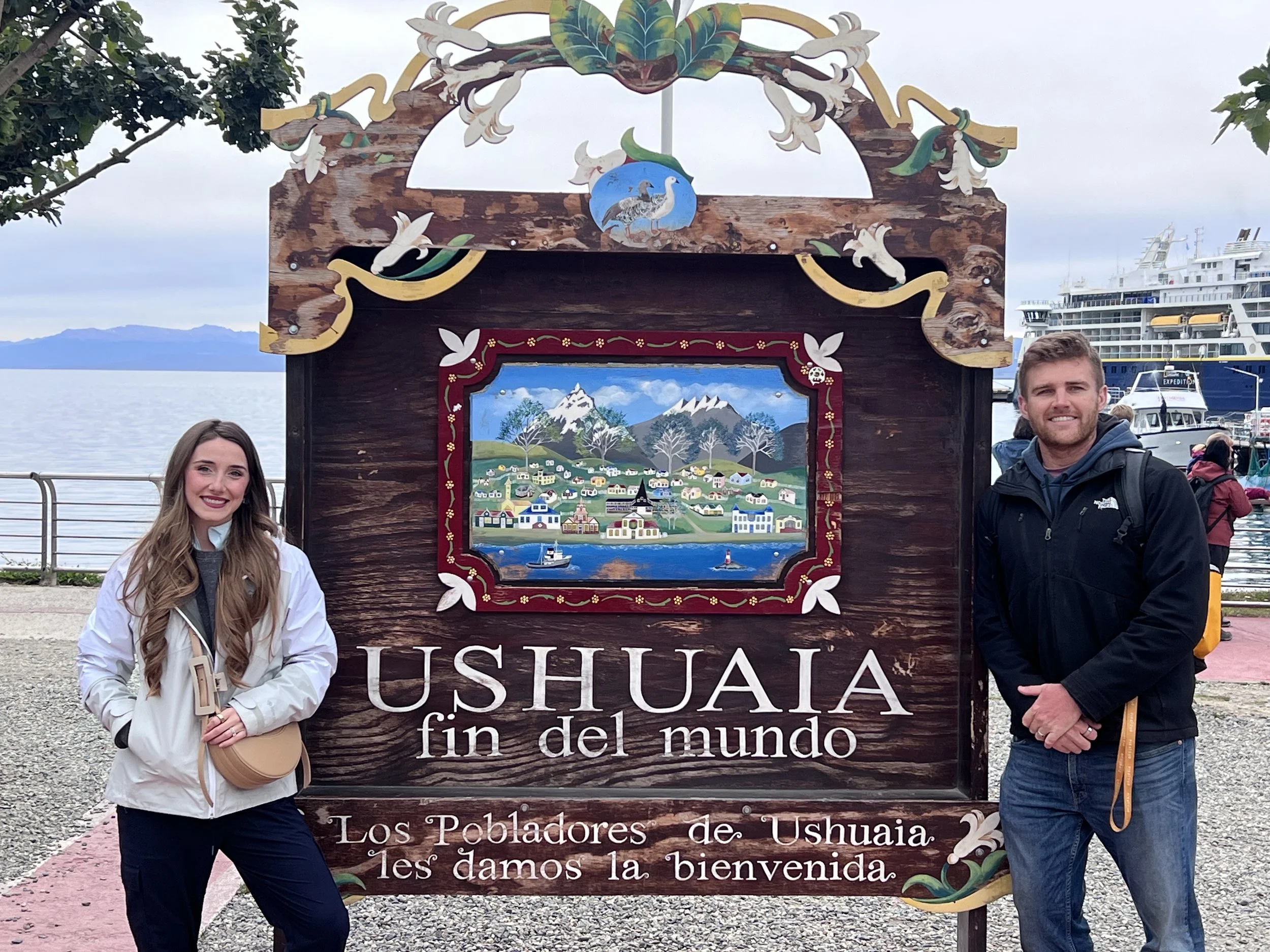
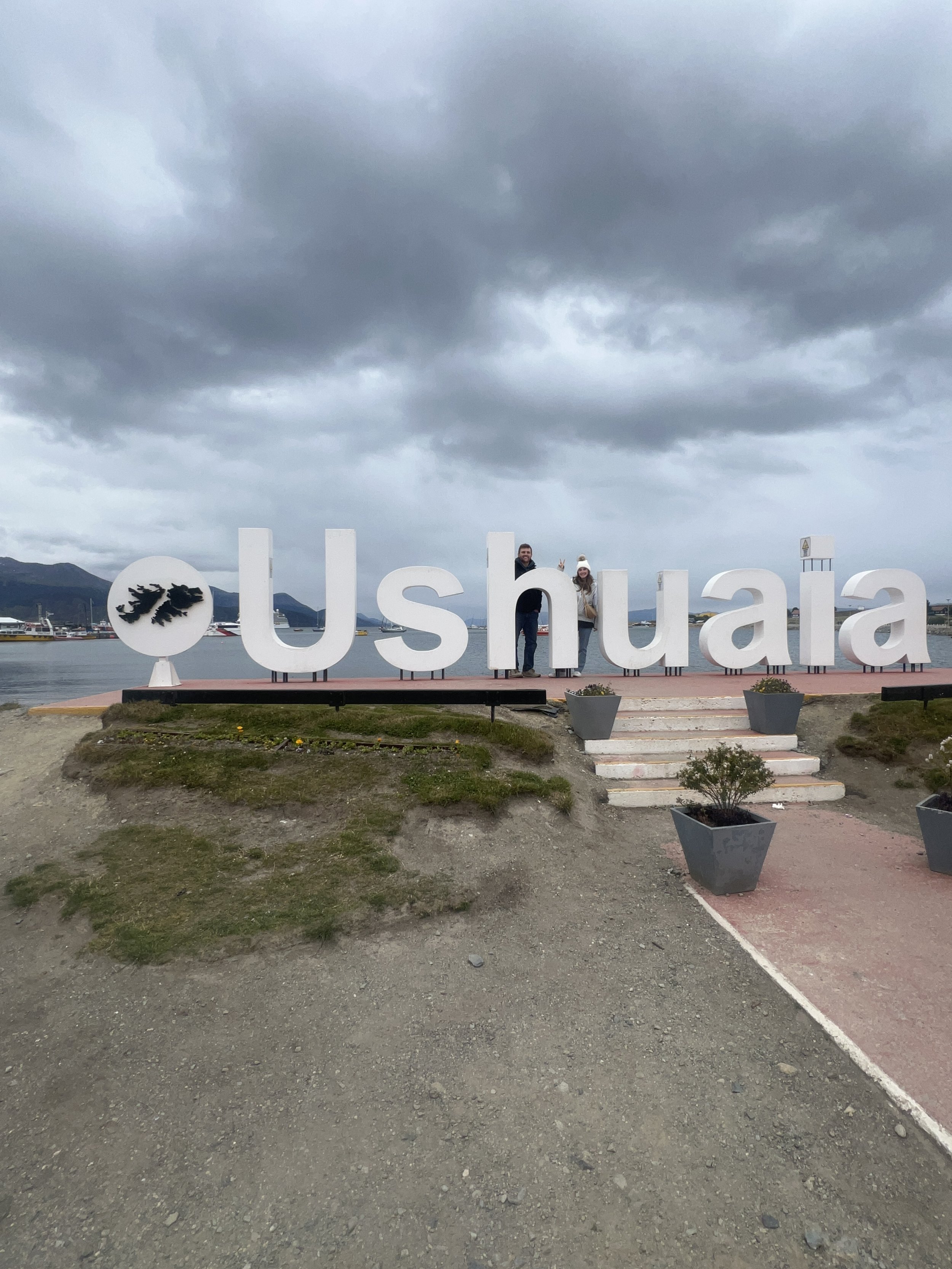
Ushuaia is known for Tierra del Fuego National Park, walking with penguins, and being the "End of the World" because of its location at the southern tip of Argentina before Antarctica.
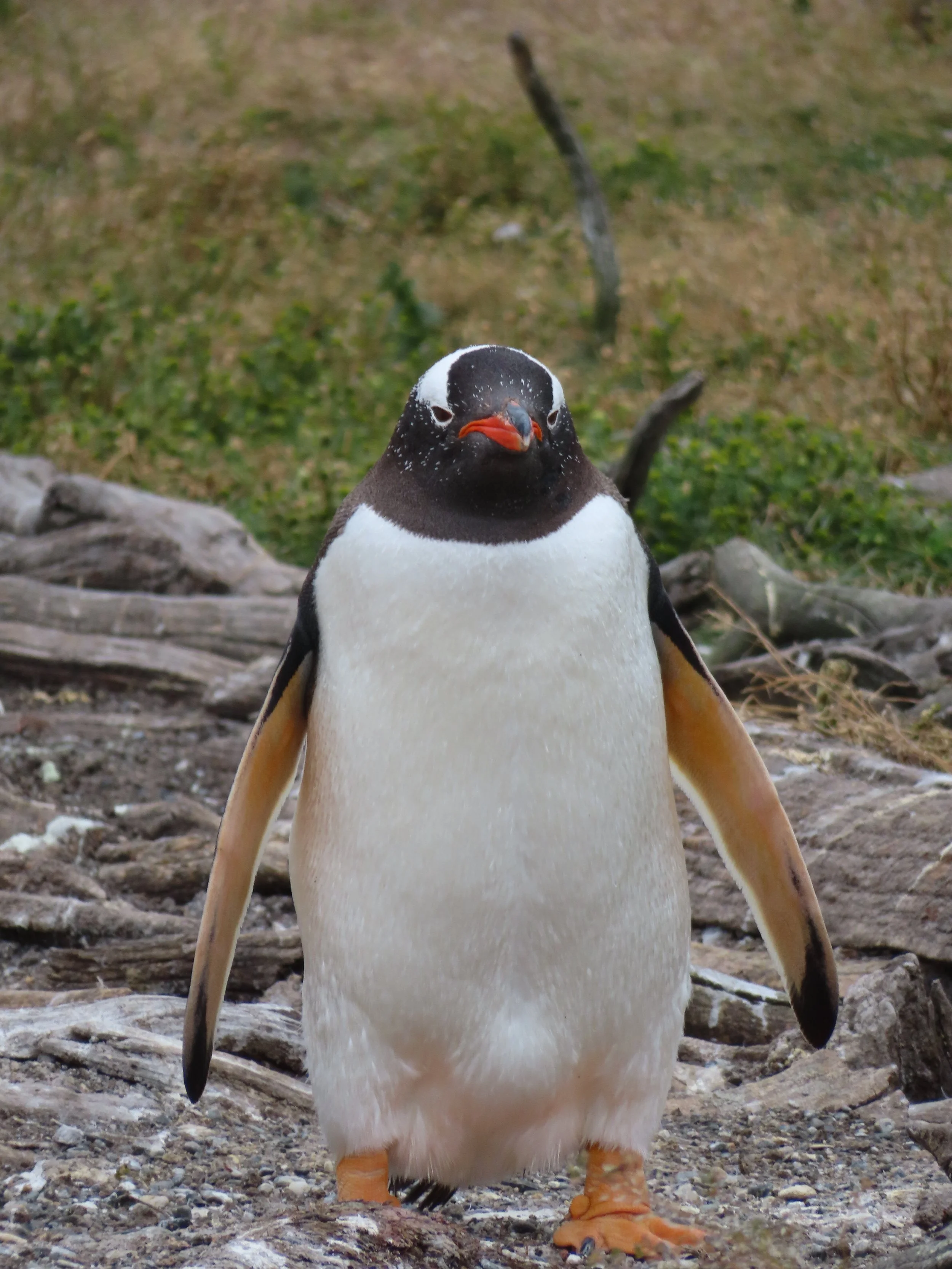
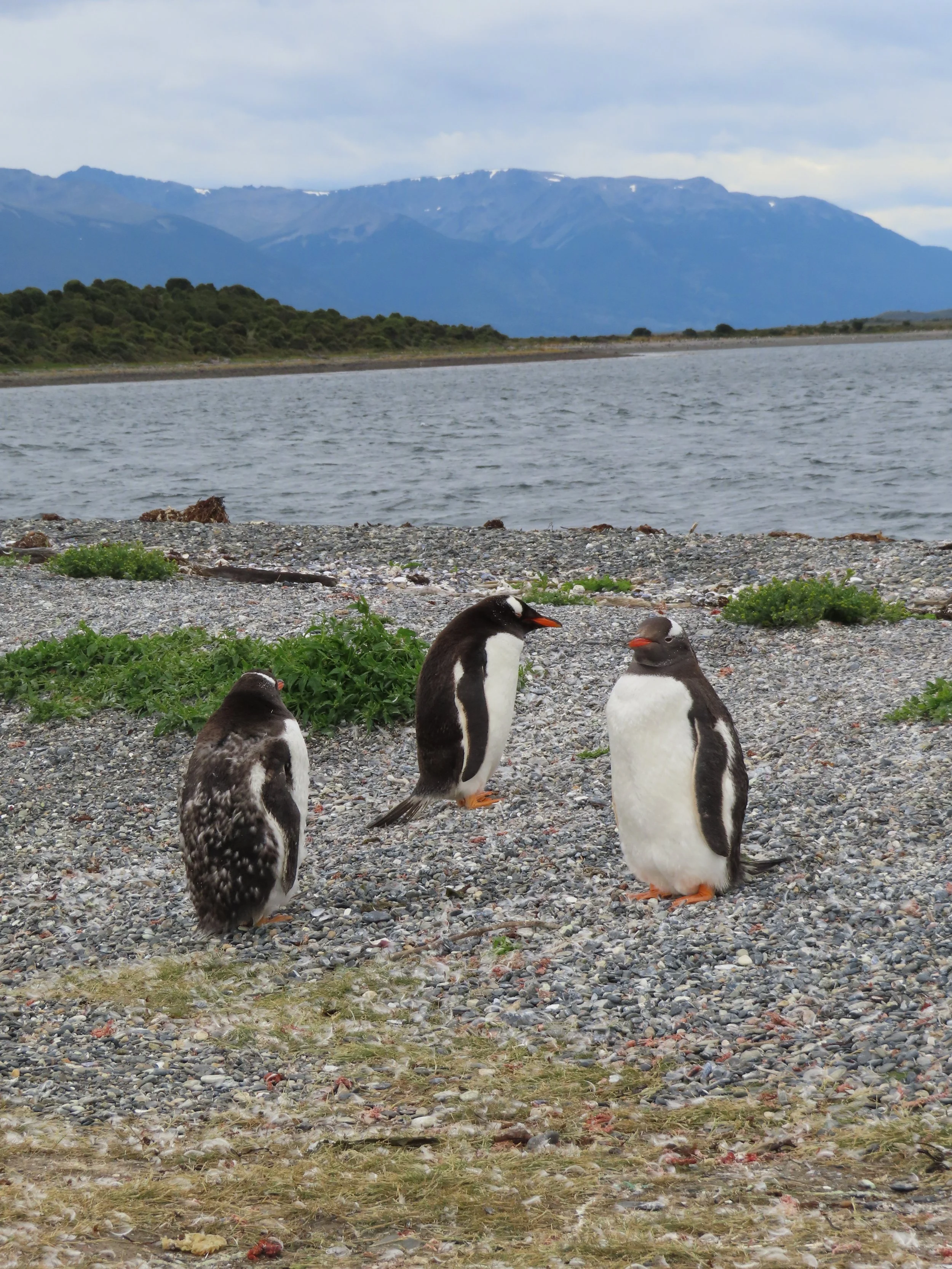
We mainly came for the penguins! Penguins are my favorite animal, so this was something I was really looking forward to.
Ushuaia is on the colder side year-round, so even during the summer you should expect temperatures in the 40s–60s, along with wind, rain, and overcast weather. If you're lucky, you'll get some sunshine! The weather can change very quickly here.
I do think three nights is necessary so you can spend one full day on the penguin tour and another exploring Tierra del Fuego.
Top Things to Do in Ushuaia
Walk with Penguins: This is probably one of the most popular activities in Ushuaia. You'll ride through the Beagle Channel and eventually reach Martillo Island, where you can either walk among the penguins or observe them from the boat. I highly recommend choosing the walking tour! It's an unforgettable experience, and there are SO many penguins. It was absolutely worth the price. I talk more about our experience walking with the penguins here.
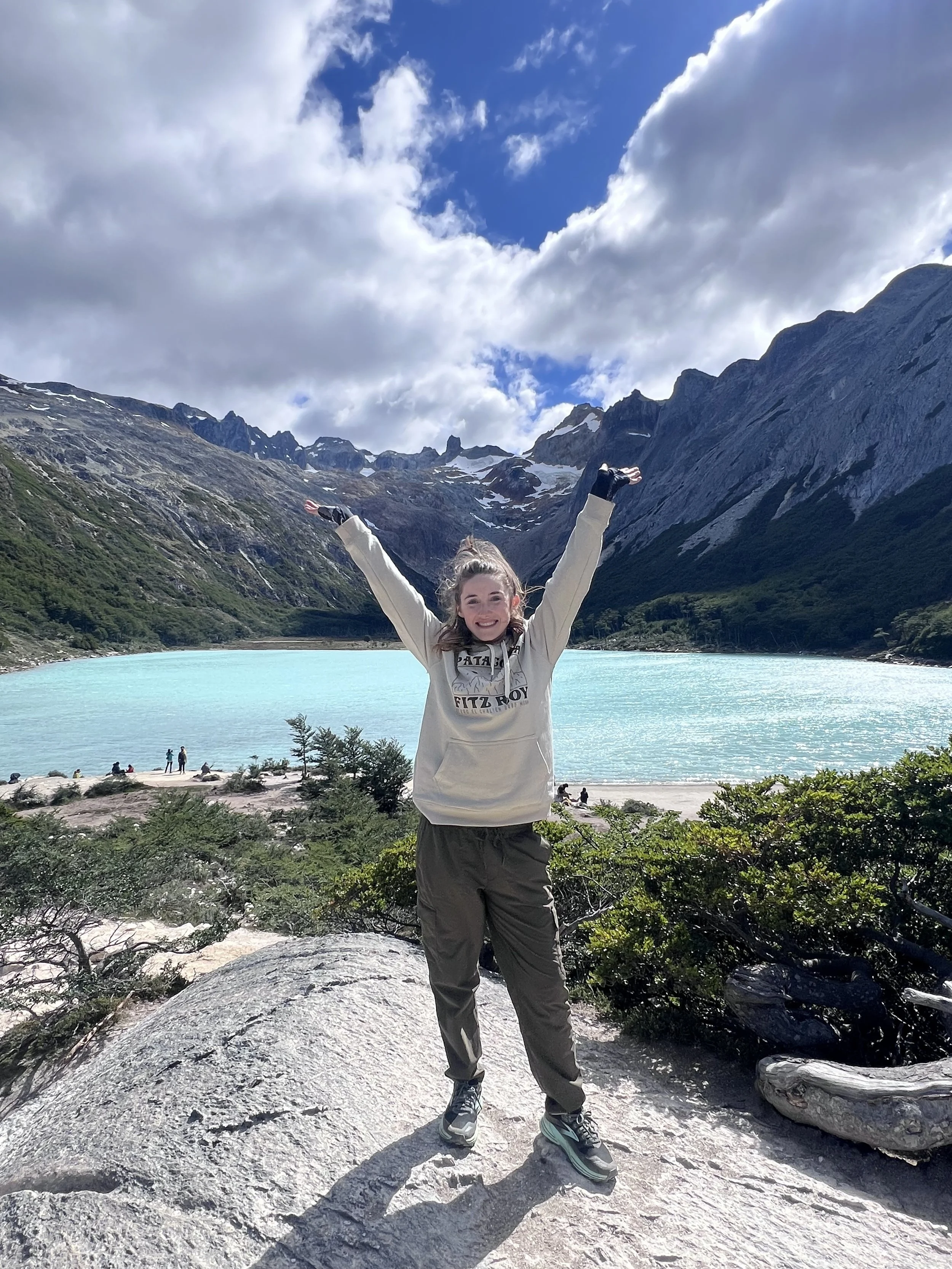
Tierra del Fuego National Park: There are multiple hikes and activities inside the park, along with the popular "End of the World" train, which takes you through part of the park. We chose to do Laguna Esmeralda, an easy-to-moderate 5-mile round-trip hike with beautiful mountain and vegetation views that ends at a gorgeous glacier-fed lake.
Visit the Huskies: Located in Tierra Mayor Valley, there are husky farms offering different activities, from hiking with huskies to sleigh rides during the winter. We didn't do this, but it's another popular activity in Ushuaia.
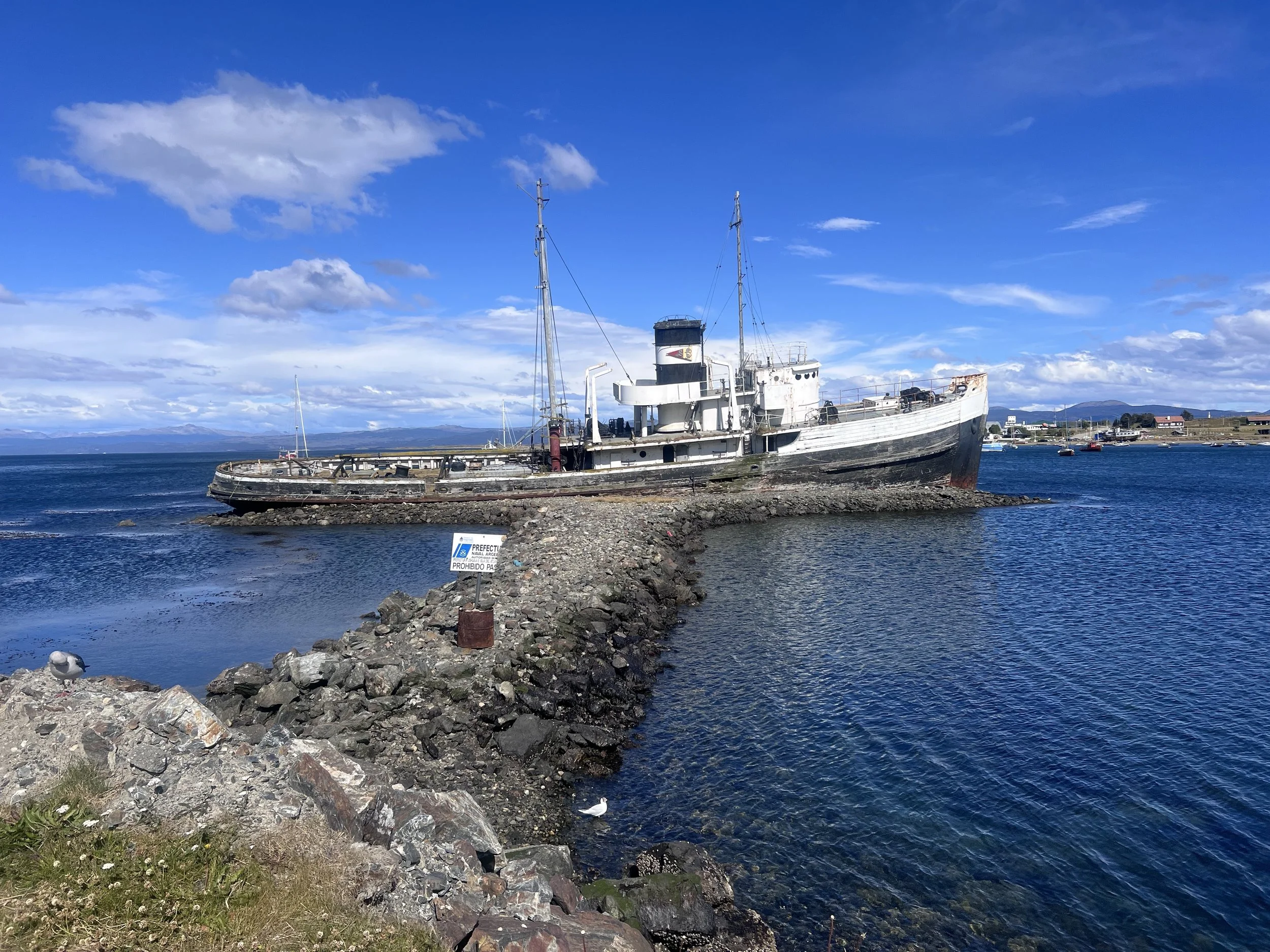
Explore the Town: Ushuaia actually has a pretty nice town with plenty of restaurants, shopping, history, and a port that's nice to walk along. The city is beautiful, sitting right against the mountains and water. One of the most popular foods to try here is king crab.
Ushuaia Tips
I don't think you need to rent a car unless you want to explore deeper into Tierra del Fuego and venture farther from the city. The town itself is very walkable, and we were able to walk right to the port for our penguin tour.
If you do have a car, though, you could explore more of Tierra del Fuego on your own.
And pack layers! The weather changes quickly here, so you'll want to be prepared. During our Laguna Esmeralda hike, I took my jackets on and off so many times. Definitely bring a wind and rain jacket.
Check out my guide to Ushuaia here.
How to Get Around Patagonia
Patagonia is HUGE, so I would not recommend trying to drive between every destination. You'll spend way too much of your vacation in the car.
Our route looked like this:
Buenos Aires → Bariloche → El Calafate → El Chaltén → El Calafate → Ushuaia → Buenos Aires
We flew from Buenos Aires to Bariloche, then from Bariloche to El Calafate. From there, we drove from El Calafate to El Chaltén and then back to El Calafate since that's where we needed to catch our next flight. El Calafate is the closest airport to El Chaltén.
From El Calafate, we flew to Ushuaia and then back to Buenos Aires.
We rented a car in Bariloche so we could explore the lakes and mountains, and I definitely recommend having one there. We also rented a car in El Calafate so we could drive to El Chaltén.
We did just fine without a car in Ushuaia, but having one, even just for a day, could be helpful if you want to explore farther into Tierra del Fuego.
Best Time to Visit Patagonia
The seasons in Patagonia are opposite of the U.S.
We visited during the summer in January and February, and we had great weather overall.
Our temperatures were roughly:
Bariloche & El Chaltén: 60–70°F
El Calafate: 50–60°F
Ushuaia: 40–50°F
Summer is the most popular time to visit, especially if you're planning to hike, but that doesn't mean you'll have perfect weather every day. You can still experience rain, wind, clouds, and rapidly changing conditions.
We got lucky and had a lot of sunshine during our trip.
Fall, from March through May, would also be a beautiful time to visit. You'd have pleasant temperatures and get to see all of the beautiful fall colors.
Personally, I would still choose summer. Let's be honest, it's pretty nice to escape the cold U.S. winter, and if you visit Bariloche during the summer, you'll even be able to swim in the lakes, although the water is VERY cold!
Patagonia Hiking Tips for Beginners
If you're planning to do some of the hikes in Patagonia, here are some things I learned along the way:
Use trekking poles for harder hikes. Trust me, you'll especially appreciate them on the descents.
Pack plenty of water and food. Bring things that will actually fuel you, like protein bars, sandwiches, beef sticks, fruit, and electrolytes.
Start early for popular hikes. Especially if you're visiting during the busy summer season. The trails will generally be less crowded early in the morning, and you may have better weather and views.
Be prepared for wind. We didn't experience a ton of wind during our trip, but it is very common in Patagonia. Most of the wind we experienced was in Ushuaia.
Wear a hat and sunscreen. The sun can be surprisingly strong down here. And, of course, pack layers!
Check the weather before big hikes. If you have some flexibility in your itinerary, don't be afraid to wait a day. If one day is cloudy and the next is sunny, I'd much rather wait and have a better chance of actually seeing the mountains and views I came for.
Take it slow. Some of these hikes are difficult even if you're in good shape. If you're not an avid hiker, give yourself plenty of breaks and don't feel like you have to rush.
Bring good hiking shoes or boots. Having proper footwear makes a huge difference on some of these trails.
How Much Does Patagonia Cost?
We spent roughly $5,000 for two people on domestic flights, rental cars, activities, and accommodations, including our time and activities in Buenos Aires.
I honestly can't remember exactly how much we spent on food, but I would estimate another $1,000–$1,500 during the trip.
So, in total, I'd estimate around $6,000–$6,500 for two people for about two weeks, not including our international flights. We paid for our flights via points. So that could add an extra $1,000-$2,000 for two people.
Of course, your total can vary quite a bit depending on your accommodations, activities, rental cars, and how often you eat out. Overall I think we had a moderate-luxury experience in Patagonia. Not budget traveling.
Patagonia Travel Tips
Book accommodations in advance. If you're traveling during the busy season, I'd recommend booking at least 3–4 months ahead, especially for places like El Chaltén and Bariloche.
Book rental cars in advance. I'd recommend doing this at least a month ahead, especially if you need an automatic vehicle.
Carry some cash. We used cards at a lot of places, but it's still helpful to have cash for smaller shops, restaurants, and other places that may not accept cards.
Ask about tap water. Most of the tap water we encountered was clean to drink, but if you're unsure, just ask your accommodation. We also refilled our water bottles with glacier water while hiking when we came across a running stream.
Eat the meat! Argentina is known for its meat, so definitely try it in different ways. The fish is also delicious, especially in areas near the lakes or ocean. Patagonia is particularly known for its trout.
Download your hiking maps. I recommend downloading AllTrails before your hikes. You likely won't have cell service on many of the trails, so having your route available offline is really helpful. You can download the trail while you're at your accommodation using Wi-Fi.
Final Thoughts
I really love how this itinerary allows you to experience so many different sides of Argentine Patagonia.
You get the lakes and mountains of Bariloche, the massive glacier in El Calafate, the incredible hiking and rocky mountain landscapes of El Chaltén, and the adorable penguins and unique scenery of Ushuaia.
In just two weeks, you can experience SO many different things, from rafting and hiking to ice trekking and walking with penguins. Patagonia truly has a little bit of everything, and it's easily one of my favorite trips we've ever taken.