First-Timer’s Guide to Japan
Japan is such a fun, vibrant, and amazing place, but it can definitely feel overwhelming if it’s your first time, especially if you’ve never traveled to this part of the world. Don’t worry! Here’s everything you need to know before heading to Japan so you can feel confident, prepared, and ready for the best trip ever.
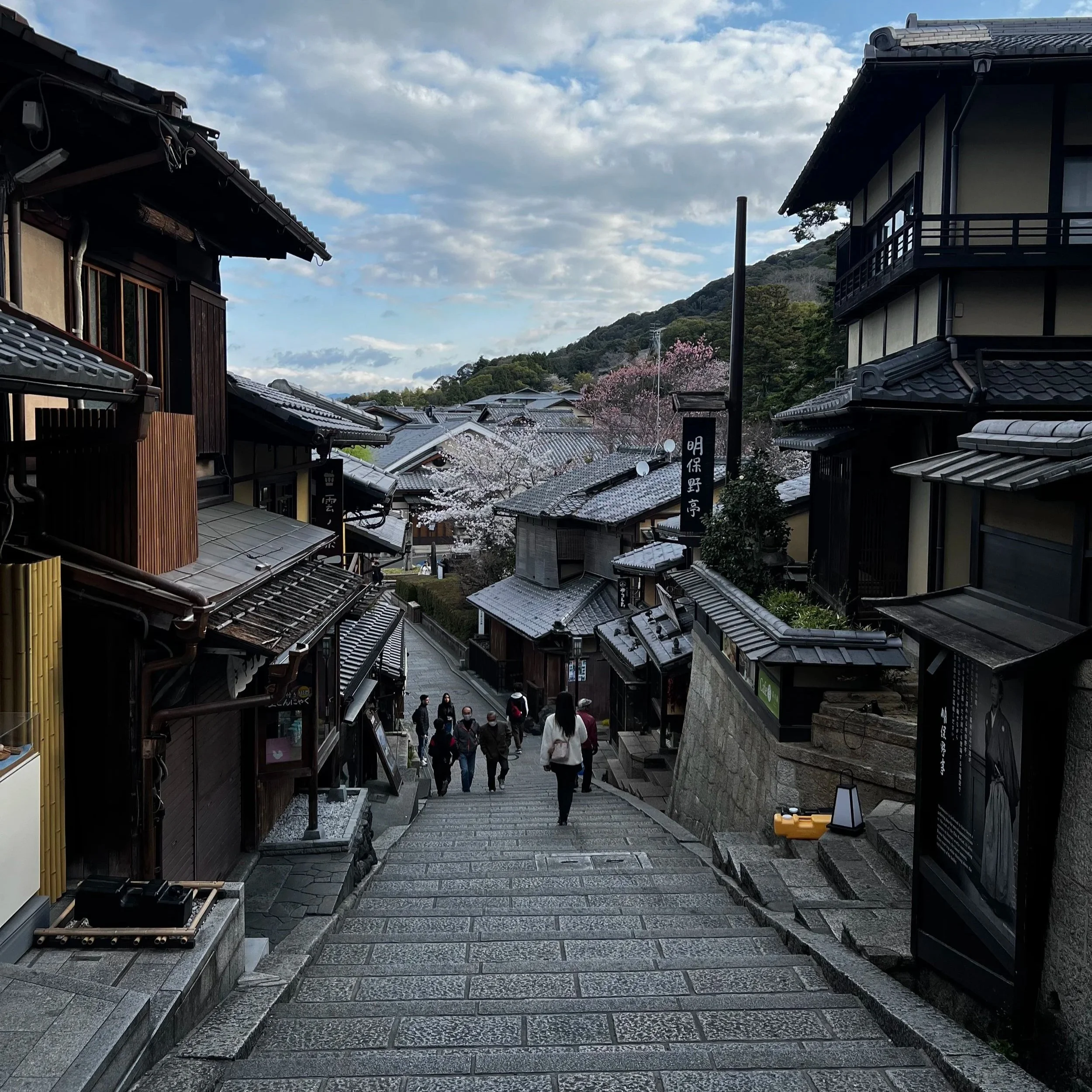
How to Get Around
The public transportation system in Tokyo is incredible, truly one of the best I’ve ever experienced (I’m comparing it to London, NYC, and Paris). You’ll mainly use the metro to get around the Tokyo, and if you’re planning day trips, like Mount Fuji, you’ll use the JR lines. If you are staying in Mount Fuji, you’ll need a car or a bike to get around, uber is hard to find here. In Kyoto, we uberred quite often because the bus system here was hard to understand and not reliable. We wasted a lot of time trying to take the bus a few times and I don’t like to waste time while traveling.
The easiest way to navigate is with Google Maps. It tells you exactly what line to take, what platform, when to transfer, and when to get off. It’s super accurate.
Before hopping on the metro, you’ll want a SUICA card or the SUICA app. We downloaded the app and loaded money onto it directly from our Apple Wallet, then all you do is tap your phone on the reader.
The metro is very clean, on time, safe, and it’s easy to understand. There’s English signs everywhere. Uber is available if you don’t want to walk to a station late at night, but honestly, you can get almost everywhere by metro.
Restaurants
Japan is known for incredible food, and Tokyo is foodie heaven, but here’s something I want to stress: not every “famous” restaurant is worth the wait.
One thing we didn’t love was how long it sometimes took to get seated compared to how quickly we were in and out. In busy areas, you’ll probably wait longer outside than you’ll spend eating inside. It’s not the servers rushing you, it’s just how the dining culture works, especially in small, popular spots.
A few things to keep in mind:
Reservations are very hard to get
Many places use a ticket system where you put your name down at the door
Some restaurants don’t take reservations at all
If you can get a reservation, the time difference and language barrier make it tricky
But here’s the good news: we didn’t have a single bad meal in Japan. You’ll find amazing food almost everywhere, so don’t feel pressured to chase the most viral places. Sometimes the quiet, local restaurant around the corner is the best meal you’ll have. Check out my blog on what places are worth the wait vs places you should skip.
Etiquette
Japan’s culture is different from the U.S., and being mindful of those differences really goes a long way.
Here are the big ones:
Public Transport Etiquette
Keep your voice low, locals are very quiet on trains.
No phone calls on the metro.
Don’t eat while walking or on public transport.
Eating Etiquette
It’s normal, and appreciated, to slurp your noodles.
Don’t stand up mid-meal to drink or eat (my husband did this and they kindly told him to sit down).
At certain restaurants or traditional places, you’ll take off your shoes. If you see shoes at the door, follow the flow.
Personal Space + Behavior
Give people space, especially in elevators and lines.
Don’t tip, Japan is one of the few places where tipping is not expected.
Follow signage, stay orderly, and be respectful. Japan thrives on calmness and consideration.
What to Wear
Japan leans more conservative in terms of clothing style. Locals tend to dress modestly and neatly, and you’ll be visiting a lot of shrines, so it’s best to pack accordingly.
A few tips:
Wear pants or longer dresses/skirts to shrines
Keep shoulders covered
Avoid deep cleavage
Comfortable walking shoes are essential (you will walk a lot)
You’ll be thankful you packed modest, comfy outfits.
Keep Cash on You
Many restaurants and small shops are still cash only, especially in family-run places or more traditional neighborhoods. Tokyo you’ll find almost everywhere accepts card but you still need some cash on you in this city.
You’ll also need cash for:
Some temples
Local buses
Small cafés
Mom-and-pop shops
Vending machines in certain areas
I usually exchange yen at the airport or a local money exchange. Always have some on hand.
No Trash Cans
Trash cans are rare to come across so it’s best to pack a small bag with you to carry your trash.
Jet Lag
Japan is 13-14 hours ahead so you will experience some jet lag when you get there. I usually bring zzz-quil to help me fall asleep and I try to get outside right in the morning to see the sunlight, this resets your circadian rhythm. Try not to nap right when you get in unless you are obviously getting in at night. Naps can actually be detrimental to resetting your circadian rhythm.
Hopefully some of this info has made you feel more prepared and confident for your trip to Japan! Check out my blog on the top 5 things to do in Tokyo.
Cherry Blossom Season
Cherry blossom season is the busiest time to travel to Japan. When you are booking activities you’ll want to book these months in advance, probably 3+ months for cherry blossom season. I did this for most activities and ones that I waited last minute for, it was very hard to get tickets to. For buying train tickets, like getting between the big cities from Kyoto to Tokyo or Mount Fuji or Osaka, I would buy these tickets in advance just in case. Any smaller trips like when we went to Nara from Kyoto it was fine buying those tickets right before.